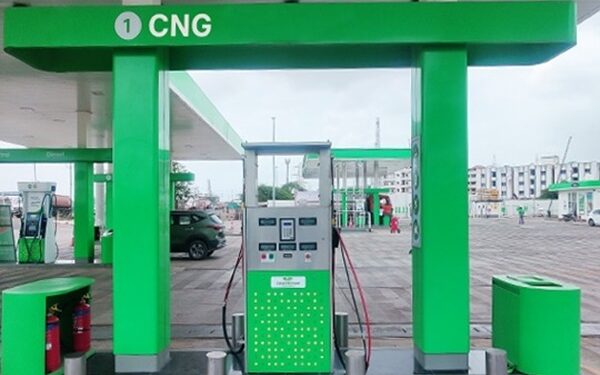
Despite securing more than $2 billion in private sector investments over the past two years, Nigeria’s ambitious Compressed Natural Gas (CNG) initiative is falling short of its 2025 infrastructure goals. Nairametrics’ inquiries across government agencies and industry stakeholders reveal that while policy support and funding remain strong, the actual rollout of refuelling stations and conversion centres is significantly behind schedule.
The Presidential CNG Initiative (PiCNG), launched in 2023 after the removal of petrol subsidies, aimed to accelerate the adoption of gas-powered mobility nationwide. Initial plans targeted 500 vehicle conversion centres and more than 150 retail CNG outlets by the end of 2025. However, as of January 2025, only around 300 conversion centres and just over 40 refuelling stations had been developed, leaving a substantial gap between projected and actual infrastructure.
Stakeholders point to multiple factors slowing deployment. Delays in equipment imports, limited local manufacturing for cylinders and conversion kits, regulatory bottlenecks, uneven coordination across states, and financing challenges for smaller centres have all contributed to the lag. Operators and transport unions warn that until stations are reliably available across Nigeria, large-scale vehicle conversion will remain limited, complicating route planning for commercial fleets.
The initiative, backed by government allocations totalling over N455 billion from 2023 to 2025, is central to Nigeria’s broader strategy to reduce transport costs, ease foreign exchange pressures, and promote domestic gas utilisation. While the programme is projected to generate thousands of jobs across vehicle conversion, cylinder manufacturing, and logistics, adoption remains largely confined to pilot corridors and urban centres.

Energy analysts stress that the real measure of success will now be the pace of infrastructure delivery, rather than investment announcements. Transparent reporting and accelerated station deployment are critical for achieving the programme’s objectives of cost reduction, nationwide accessibility, and a cleaner, more sustainable energy transition.
source: nairametrics