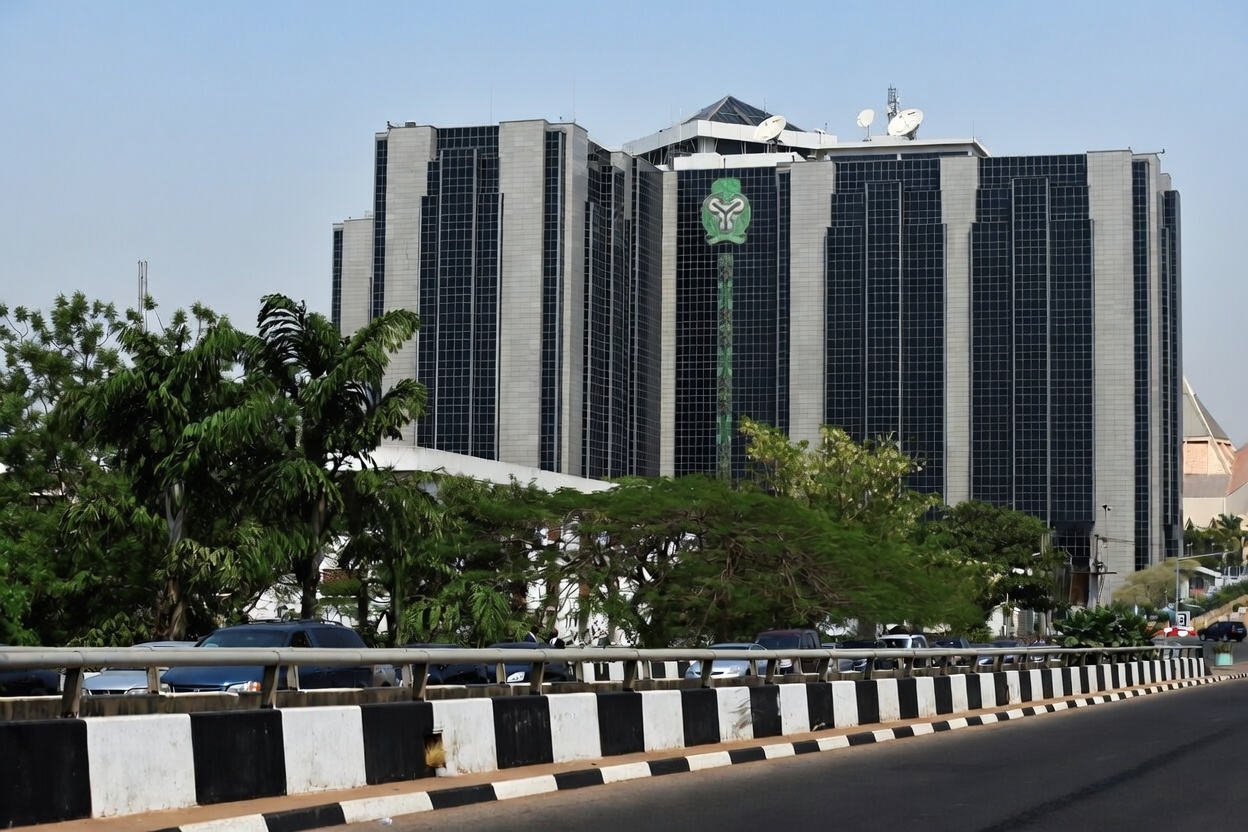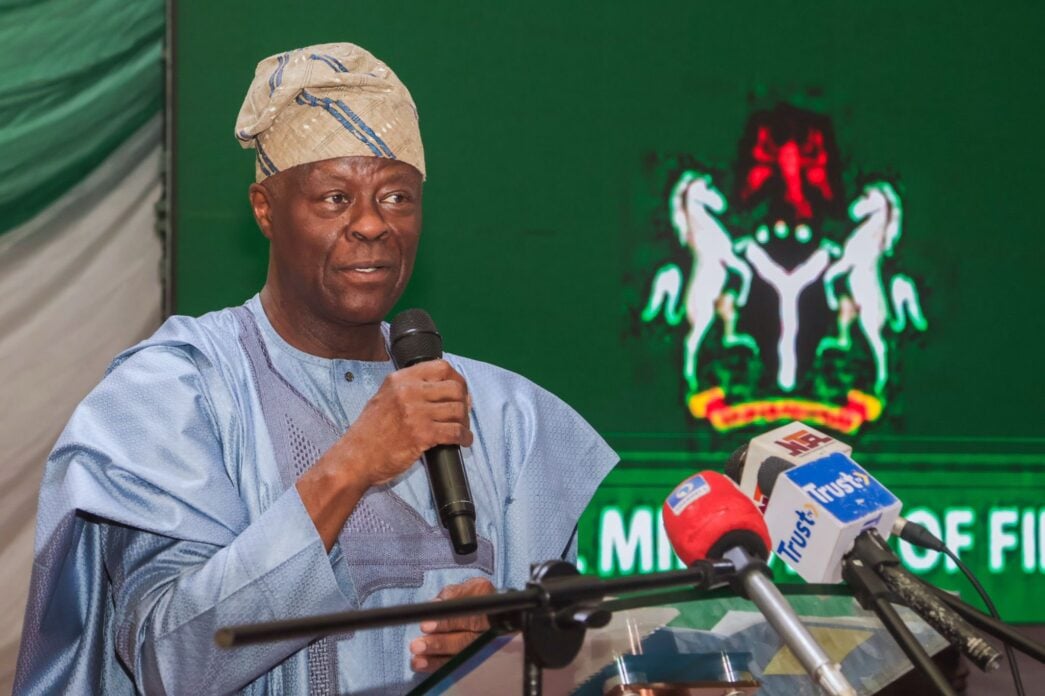
Nigeria’s banking recapitalisation programme may have succeeded in strengthening the financial sector, but it came at a significant cost to the broader economy, according to the Chief Executive Officer of HighCap Securities Limited, David Adonri. Speaking at the Capital Market Correspondents Association of Nigeria (CAMCAN) Mid-Year 2026 Capital Market Review and Outlook in Lagos, Adonri argued that the exercise redirected scarce investment capital away from critical productive industries and into banks that already had sufficient liquidity. He warned that sectors such as manufacturing, agriculture, mining, power, and energy, which are responsible for creating jobs and generating real economic value, were left struggling to attract long-term funding.
Adonri criticised government policies that have focused heavily on recapitalising service-oriented sectors including banks, insurance firms, and capital market operators, while paying less attention to industries that directly drive production and economic expansion. According to him, Nigeria’s capital market should play a more active role in channeling investment into productive enterprises capable of boosting output, exports, and employment. He stressed that stronger banks alone cannot guarantee economic prosperity if industries responsible for wealth creation remain underfunded and unable to expand their operations.
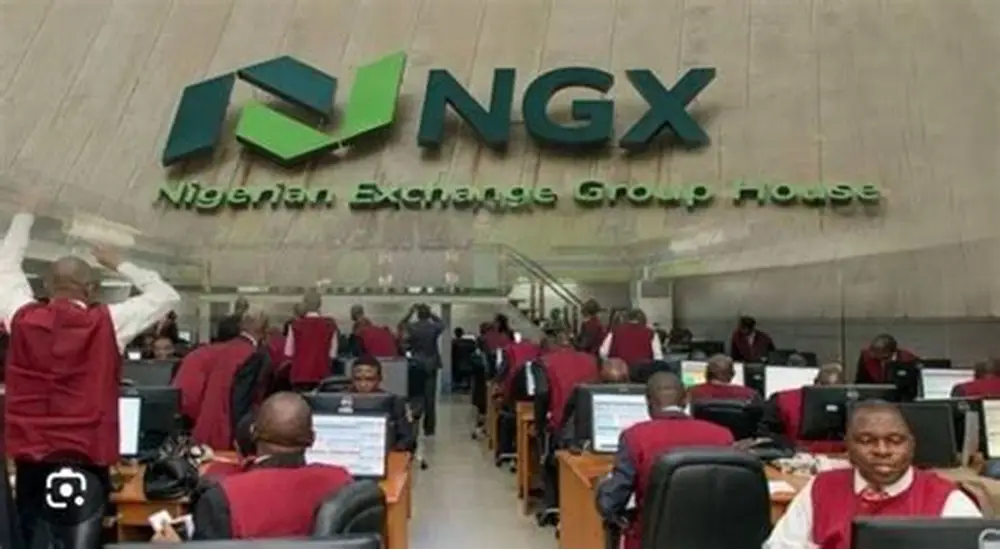
The market expert also expressed concerns about the potential impact of political activities ahead of the 2027 general elections on investor confidence. He noted that politicians and institutional investors are increasingly moving funds into cash positions in preparation for election-related spending, a trend that could create volatility in the stock market. While some observers have interpreted the recent decline in the Nigerian Exchange as a sign of weakness, Adonri insisted that the correction reflects portfolio realignment rather than any structural breakdown. According to him, investors are simply reassessing company valuations after a strong rally in the first half of 2026.
Looking ahead, Adonri projected that interest rates are likely to remain elevated as the Central Bank of Nigeria continues efforts to contain inflation. This, he said, will keep fixed-income investments attractive while limiting the pace of recovery in the equities market. He advised investors to maintain diversified portfolios to reduce exposure to market fluctuations. At the same time, he identified the anticipated listing of Dangote Refinery on the Nigerian Exchange as one of the most significant developments expected in the second half of the year, predicting it could attract fresh participation, deepen market capitalisation, and reshape investment strategies across the market.

Despite concerns over inflation, political uncertainty, and weak domestic savings, Adonri remains cautiously optimistic about Nigeria’s economic outlook. He pointed to rising foreign exchange reserves, increased crude oil production, stronger refining capacity, and improved sovereign credit ratings as positive signs. However, he warned that these macroeconomic gains mean little if they fail to improve living standards for ordinary Nigerians. He called for a shift from demand-management policies toward production-led reforms that prioritise agriculture, manufacturing, mining, power, and other productive sectors. According to him, Nigeria’s long-term economic success will depend not on the expansion of financial institutions alone, but on building industries that create goods, jobs, and sustainable wealth.
source: The sun