
The Federal Government of Nigeria has raised its borrowing plan for 2026 to N29.2 trillion, reflecting a sharp increase in the nation’s fiscal deficit. The new figure, detailed in the 2026 Appropriation Bill approved by the National Assembly, marks an N11.31 trillion rise from the earlier projection of N17.89 trillion outlined in the December 2025 budget call circular. The adjustment underscores the government’s growing reliance on debt to fund the widening gap between revenue and expenditure.
Official documents show that Nigeria’s fiscal deficit is now estimated at N31.46 trillion, with total expenditure projected at N68.32 trillion and revenues at N36.87 trillion. The government plans to bridge this gap mainly through borrowing, while other funding sources—such as asset sales and project-tied loans—remain relatively minor. This represents a significant shift from the earlier budget estimate, where the projected deficit was N20.12 trillion.
Despite an expected increase in government revenues, the gains have been outpaced by spending growth. Federation revenues are projected at N25.92 trillion, independent revenues at N4.31 trillion, and income from government-owned enterprises at N5.85 trillion. Additional inflows include N1.37 trillion from grants and aid and N300 billion from special funds. However, the expanded expenditure, particularly on debt service, has driven borrowing requirements higher.
Debt servicing remains a major pressure point, with domestic debt payments projected at N10.16 trillion and foreign debt obligations at N5.36 trillion. Non-debt recurrent expenditure is expected to total N15.43 trillion, while capital expenditure is set at N32.29 trillion, reflecting significant investment in infrastructure and development. Statutory transfers are projected at N4.80 trillion, illustrating the broad commitments that continue to strain public finances.

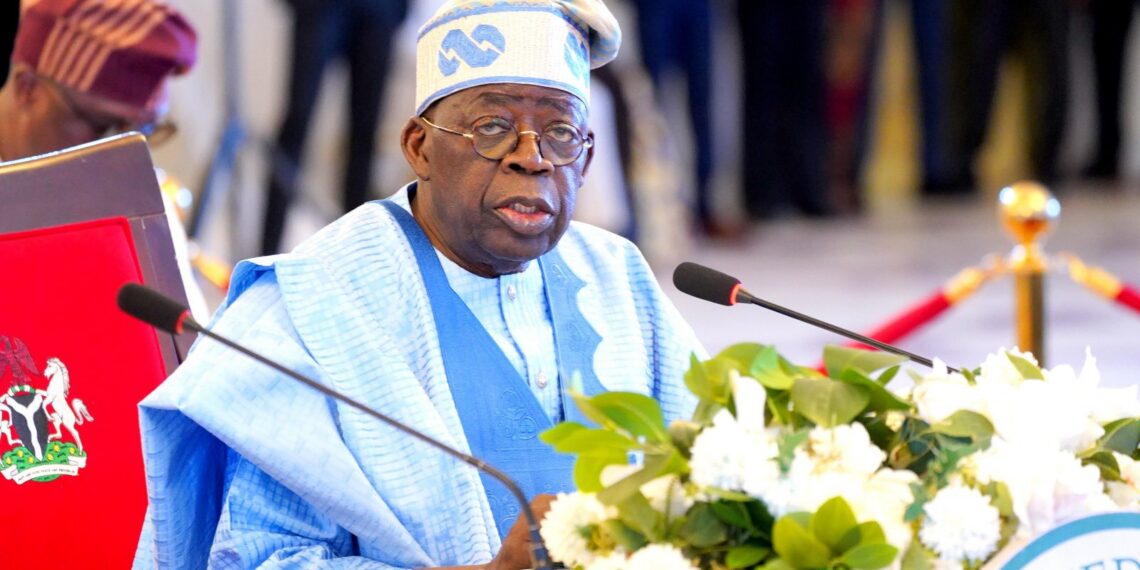
President Bola Tinubu had previously requested a N9 trillion increase to the 2026 Appropriation Bill, raising the total budget from N58.4 trillion to N67.4 trillion. To fund this expanded budget, lawmakers approved additional borrowing and targeted revenue measures, including a $10 per barrel oil benchmark increase and stronger contributions from telecommunications companies. Despite these measures, borrowing is set to remain the primary mechanism for closing the fiscal gap, raising concerns over Nigeria’s rising debt burden.
source: nairametrics


