Nigeria has officially been removed from the European Union’s high-risk list for money laundering and terrorism financing, marking a major milestone for the country’s financial system. The European Commission cited strengthened transparency, improved regulatory oversight, and effective implementation of Anti-Money Laundering (AML) and Countering the Financing of Terrorism (CFT) measures as key reasons for delisting the country. Analysts say the move is expected to increase global investor confidence and unlock deeper economic partnerships for Nigeria.
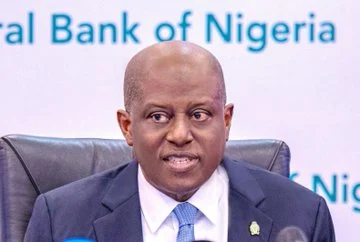
The Central Bank of Nigeria (CBN) spearheaded the reforms under Governor Olayemi Cardoso, focusing on creating a more transparent and resilient financial sector. Measures included unifying the foreign exchange rate, deploying the Electronic Foreign Exchange Market Surveillance System, and enhancing risk-based supervision of banks. These initiatives helped dismantle long-standing bottlenecks and restored credibility, enabling Nigeria to follow in the footsteps of other African countries recently removed from the EU’s high-risk jurisdictions list.
The delisting will also ease previously stringent international requirements. Transactions involving Nigeria will no longer require enhanced due diligence, lowering transaction costs and speeding up cross-border payments. Stakeholders, including the Bank Customers Association of Nigeria, hailed the development as a “game-changer” for businesses and individuals, highlighting that it signals a safer and more predictable financial system ready for global engagement.
Experts note that leaving the EU high-risk list mirrors Nigeria’s exit from the FATF grey list in October 2025, which already improved the country’s access to international finance. The CBN emphasized that ongoing compliance measures—such as verifying beneficial owners, monitoring transactions, and enforcing AML/CFT standards—are crucial to sustaining these gains and preventing any relapse into previous risk classifications. International ratings agencies, including Moody’s and Fitch, have already reflected the improved outlook in their upgraded assessments of Nigeria’s financial stability.

Looking ahead, Nigeria’s strengthened financial framework is expected to bolster economic growth. The World Bank now forecasts 4.4% growth for 2026, driven by expanding services, agriculture, and non-oil sectors. Meanwhile, the CBN projects continued macroeconomic stability supported by structural reforms and a gradually easing monetary policy stance. With enhanced global trust, faster remittances, and smoother trade settlements, Nigerians are likely to experience tangible benefits in everyday financial transactions and investment opportunities.
source: punch