
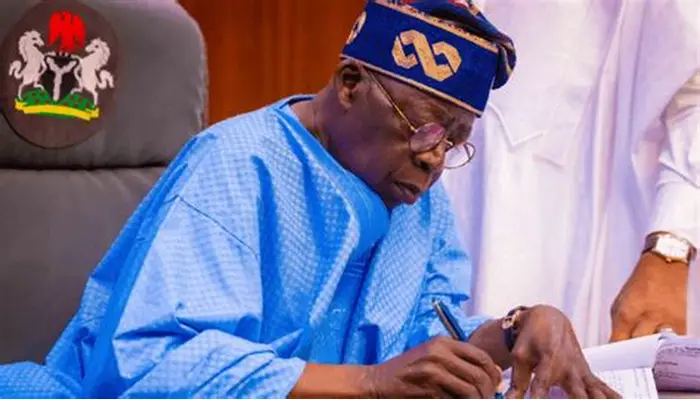
President Bola Tinubu’s administration has secured an impressive $11.4 billion in World Bank loan approvals within just three years, bringing it close to surpassing the total amount approved during former President Muhammadu Buhari’s eight-year presidency. An analysis of World Bank data shows that between June 2023 and June 2026, Nigeria obtained financing approvals worth $11.4 billion, compared to the $14.59 billion approved throughout Buhari’s two terms in office. The development highlights a significant increase in multilateral financing under the current administration as it pursues economic reforms and development projects.
The approved loans have been directed toward key sectors including economic reforms, power, agriculture, healthcare, education, digital infrastructure, financial inclusion, and social protection. One of the largest financing packages came in June 2024 when the World Bank approved $2.25 billion to support Nigeria’s economic stabilization and revenue mobilization reforms. The funding was designed to strengthen public finances, improve domestic revenue generation, and cushion the impact of major economic policies such as fuel subsidy removal and foreign exchange market reforms.
Despite the substantial approvals, implementation remains at an early stage. World Bank records indicate that only about $2.32 billion of the approved $11.4 billion has been disbursed so far, representing a disbursement rate of just over 20 percent. In contrast, projects approved during Buhari’s administration recorded an implementation rate exceeding 80 percent, reflecting the maturity of those projects. Several recently approved initiatives, including agriculture, education, healthcare, and digital infrastructure programmes, are yet to begin receiving funds.
The rapid rise in World Bank financing has also sparked debate among economists and policy analysts. Supporters argue that concessional loans from institutions like the World Bank provide affordable financing for critical development projects and long-term economic growth. They maintain that borrowing can be beneficial if funds are properly invested in projects capable of generating revenue, creating jobs, and improving public services. Government officials have similarly defended the borrowing strategy, insisting that the focus should be on the purpose and returns of the loans rather than the debt figures alone.

However, critics have expressed concerns over Nigeria’s growing debt burden, especially as the country’s debt to the World Bank climbed to nearly $19.9 billion by the end of 2025. Some economists warn that rising debt servicing obligations could reduce government spending on infrastructure and social services while putting additional pressure on the economy. As Tinubu’s administration continues to attract significant international financing, the challenge will be ensuring that the funds translate into tangible development outcomes capable of boosting growth, improving living standards, and strengthening Nigeria’s long-term fiscal stability.
source: punch


