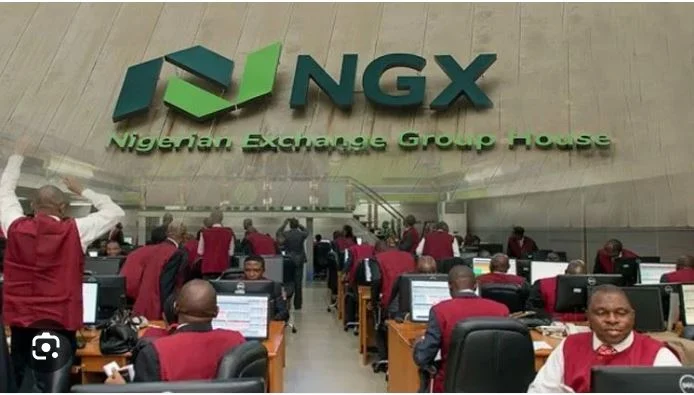
Despite worsening economic conditions and shrinking consumer purchasing power, Nigeria’s leading brewing companies posted impressive financial results in 2025, highlighting the resilience of the country’s alcohol and beverage market. Financial filings submitted to the Nigerian Exchange Limited (NGX) showed that major brewers, including Nigerian Breweries Plc, Guinness Nigeria Plc, International Breweries Plc, and Champion Breweries Plc, generated a combined revenue of more than N2.8 trillion in 2025, representing a 48.1 percent increase from N1.89 trillion recorded in 2024.
The industry also witnessed a remarkable rise in profitability, with combined Profit Before Tax climbing by 117.2 percent to N317.2 billion. Analysts say the figures reflect the strong demand for beer, spirits, and non-alcoholic beverages across the country, even as inflation and rising living costs continue to squeeze household incomes. While operating costs and expenses increased significantly, the brewers still outperformed expectations through aggressive pricing strategies, product premiumisation, and stronger market positioning.
Among the companies, Nigerian Breweries Plc remained the market leader with revenue of N1.47 trillion, driven largely by the success of premium brands like Heineken. The company’s Chief Executive Officer, Thibaut Boidin, said the firm’s turnaround was supported by strategic pricing and the integration of Distell products despite inflationary pressure and weak consumer spending. Meanwhile, Guinness Nigeria Plc recorded one of the biggest recoveries in the sector, posting a 144 percent revenue increase to N730.8 billion after rebounding from losses recorded in the previous year.

Economic analysts believe the sharp rise in brewery earnings was driven more by price increases than actual growth in beer consumption volumes. Financial expert, Olatunde Egbomeade, explained that brewers benefited from product repricing and recovery from a weak 2024 financial year. He noted that while inflation eased slightly in the second half of 2025, many Nigerians continued to struggle financially, forcing consumers to shift toward cheaper beverage options rather than increasing overall consumption. According to him, the industry’s growth reflects “habit-driven spending” and consumers’ willingness to absorb higher prices despite economic hardship.
Consumers interviewed in Lagos admitted that alcohol has increasingly become a coping mechanism for stress and frustration caused by unemployment, inflation, and uncertainty in the economy. A Lagos resident, Johnson Okorie, said many people still prioritise buying beer because it offers temporary relief from daily pressure. Another consumer, Kikelomo Adebayo, described drinking as a way to “think less about the economy.” Analysts say this behavioural trend explains why Nigeria’s brewery industry has remained resilient, even as millions of households continue to battle rising living costs and declining disposable income.