The Federal Government of Nigeria has unveiled a plan to secure $122.2 billion in investments aimed at diversifying the country’s energy sources and enhancing the stability of its energy infrastructure. This 21-year plan, set to run from 2024 to 2045, focuses on reducing Nigeria’s reliance on traditional energy sources, such as gas-fired thermal and hydropower plants, by introducing technologies such as hydrogen, solar photovoltaic, biomass, wind, and nuclear energy. The goal is to create a more sustainable and environmentally friendly energy mix.
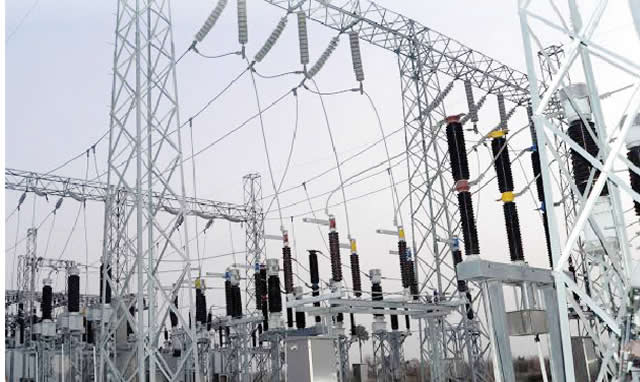
A major part of the initiative is the planned $192 million investment in boosting the national transmission capacity over the next five years. These efforts are aligned with the newly released 2024 Nigeria Integrated Resource Plan and National Integrated Electricity Policy, which are awaiting approval. The policies are designed to address challenges in the energy sector, improve the electricity grid, and support the transition to renewable energy sources. Despite Nigeria’s 13,000 MW installed capacity, the country’s electricity grid often operates at a fraction of this due to inefficiencies and supply constraints.
The strategy outlines a gradual increase in investment, with an estimated $2 billion needed annually by 2030, eventually rising to $14 billion to $15 billion by 2045. A significant portion of the total $122 billion investment will be allocated to solar photovoltaic technology ($56 billion) and hydroelectric projects ($39 billion). Other investments will target natural gas ($16 billion), carbon capture technologies ($6 billion), and energy storage ($3 billion). By 2045, the country aims to have an installed energy capacity of 194 gigawatts, including 83 gigawatts from renewable sources.

The national transmission network, however, remains a challenge. The existing infrastructure is outdated, with technical losses of 7-9%, and the required investment in upgrading the transmission network is critical for achieving cost-effective energy generation. Additionally, the goal of achieving universal electrification by 2030 has been extended to 2035 due to ongoing issues in the distribution sector, which has hindered progress. Delaying the electrification target could lead to an additional $29 billion in costs and a significant increase in CO2 emissions, further complicating Nigeria’s energy challenges.
SOURCE: PUNCH