Nigeria’s oil and gas industry is facing a major hurdle that could slow growth and investment across the sector. Industry stakeholders have raised concerns over an estimated annual financing gap of $25 billion, warning that inadequate access to capital remains one of the biggest obstacles to unlocking the country’s full energy potential. The call for urgent action came during a high-level roundtable held in Lagos, where experts stressed the need for stronger collaboration between local and international financial institutions.
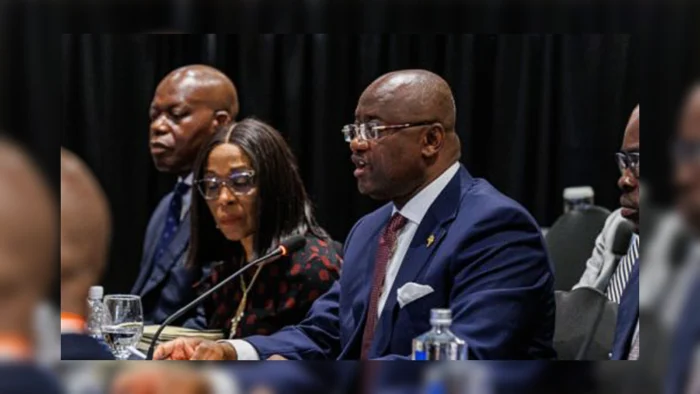
The event, organised by ProvidusUnity Bank in partnership with United States-based Regions Bank, brought together policymakers, energy executives, financial institutions, and industry leaders to discuss practical solutions for financing projects across Nigeria’s oil and gas value chain. The forum, themed “Financing Growth Across Nigeria’s Oil & Gas Value Chain,” focused on creating new pathways for investment while strengthening economic ties between Nigeria and the United States.
Speaking at the event, the Head of Global Trade and Structured Finance at ProvidusUnity Bank, Dr. Biodun Ariyo, said the initiative was designed to drive conversations around investment, trade facilitation, and sustainable financing. He noted that beyond dialogue, the platform aims to connect energy operators with the right financial partners and funding structures needed to accelerate growth, improve project delivery, and enhance productivity across the industry.
Representing Regions Bank, Executive Director for International Trade Finance, Thomas Matthias, expressed confidence in Nigeria’s energy market and reaffirmed the bank’s commitment to expanding its footprint in Africa through strategic partnerships. According to him, Nigeria is well-positioned to play a bigger role in shaping Africa’s energy future, especially as changing global energy trends create fresh opportunities for increased production, foreign investment, and long-term economic growth.

Industry experts at the roundtable also explored innovative financing models, risk management solutions, gas monetisation strategies, and approaches to funding marginal and underutilised assets. Participants agreed that stronger partnerships between Nigerian and international financial institutions could help identify more bankable projects, attract private capital, and close the financing gap. As the country seeks to boost energy production and economic development, stakeholders believe improved access to long-term funding will be critical to transforming Nigeria’s oil and gas sector into a stronger engine of growth.
sourcew: Leadership