Despite a gradual decline in Nigeria’s inflation rate to 15.51% and relative stability in the foreign exchange market, 20 listed companies on the Nigerian Exchange Limited (NGX) reported a combined total of N19.81 trillion in operating expenses in 2025. This marks a 13.8% increase from the N17.4 trillion recorded in 2024, highlighting ongoing pressures on business costs despite improving macroeconomic indicators.
Operating expenses, which cover costs such as sales, administrative, and distribution expenses, were driven up by several factors including inflationary pressure, exchange rate volatility, and rising input costs. The companies reporting these figures span multiple sectors, including oil & gas, manufacturing, telecommunications, Fast-Moving Consumer Goods (FMCG), and power generation, showing that the impact is broad-based across Nigeria’s key industries.
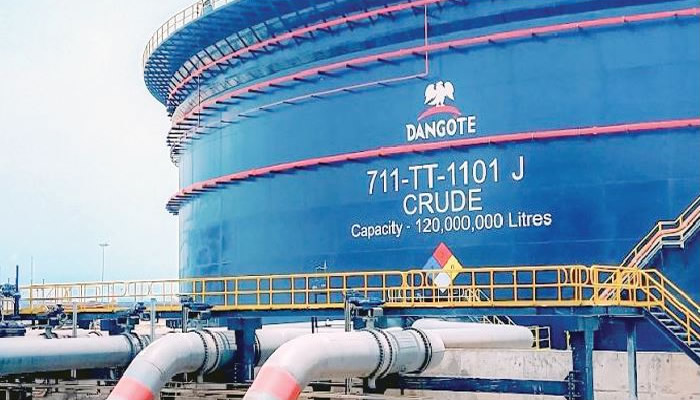
Analysis of individual results revealed that Oando Plc, Seplat Energy Plc, and Dangote Cement Plc recorded the highest operating expenses. Oando declared N3.46 trillion, a 23.7% decline from 2024, while Seplat Energy’s expenses surged 133% to N3.17 trillion, and Dangote Cement’s expenses rose 3.8% to N2.58 trillion. Despite these challenges, most companies have returned to profitability, although earnings growth remains modest under persistent macroeconomic headwinds.
The improvement in the naira’s value, from N1,536.51 to N1,436.31 against the dollar, was influenced by the Central Bank of Nigeria’s policies and the removal of petrol subsidies. However, businesses continue to face elevated costs from power, transportation, and imported raw materials. The lingering effects of the Russia-Ukraine war have further strained global supply chains, particularly for manufacturers dependent on wheat and other commodities from the conflict region.

Experts warn that inflation remains a major concern for both businesses and citizens. Dr. Muda Yusuf, CEO of the Centre for Promotion of Private Enterprise (CPPE), noted that high inflation increases production and operating costs, squeezes profit margins, reduces sales, and limits manufacturing capacity. He emphasized that these pressures also affect dividends and contribute to higher living costs for Nigerians, highlighting the wider social and economic implications of sustained business cost increases.
source: This day