Growing concerns about data privacy in Nigeria’s financial inclusion efforts are emerging as a major obstacle to bringing millions into the formal financial system. Despite years of investment in broadband expansion, mobile penetration, and fintech innovation, experts now warn that trust—particularly in how personal data is handled—could make or break the country’s digital finance ambitions.
Back in 2012, the Central Bank of Nigeria launched its National Financial Inclusion Strategy, targeting a reduction of adult financial exclusion to 20 percent by 2020. However, the exclusion rate remained at 36 percent in 2020, according to its 2022 report, highlighting persistent gaps in access and adoption. Analysts say the challenge today goes beyond infrastructure and internet connectivity.
“Increasing connectivity is essential, but it is only a prerequisite. True inclusion requires meaningful participation, and that depends on trust,” said Uchenna Agbo, Chief Commercial Officer at Optasia. According to industry stakeholders, while smartphones and mobile money platforms are widely available, fears about fraud, hacking, and misuse of personal information continue to discourage many Nigerians from embracing digital financial services.
In bustling trading centres such as Balogun Market, cash remains king. Many traders own mobile phones and are aware of digital payment solutions, yet stories of compromised accounts and data leaks circulate quickly, reinforcing hesitation. For low-income earners, privacy breaches are not abstract regulatory concerns—they are direct threats to livelihoods, savings, and business survival.

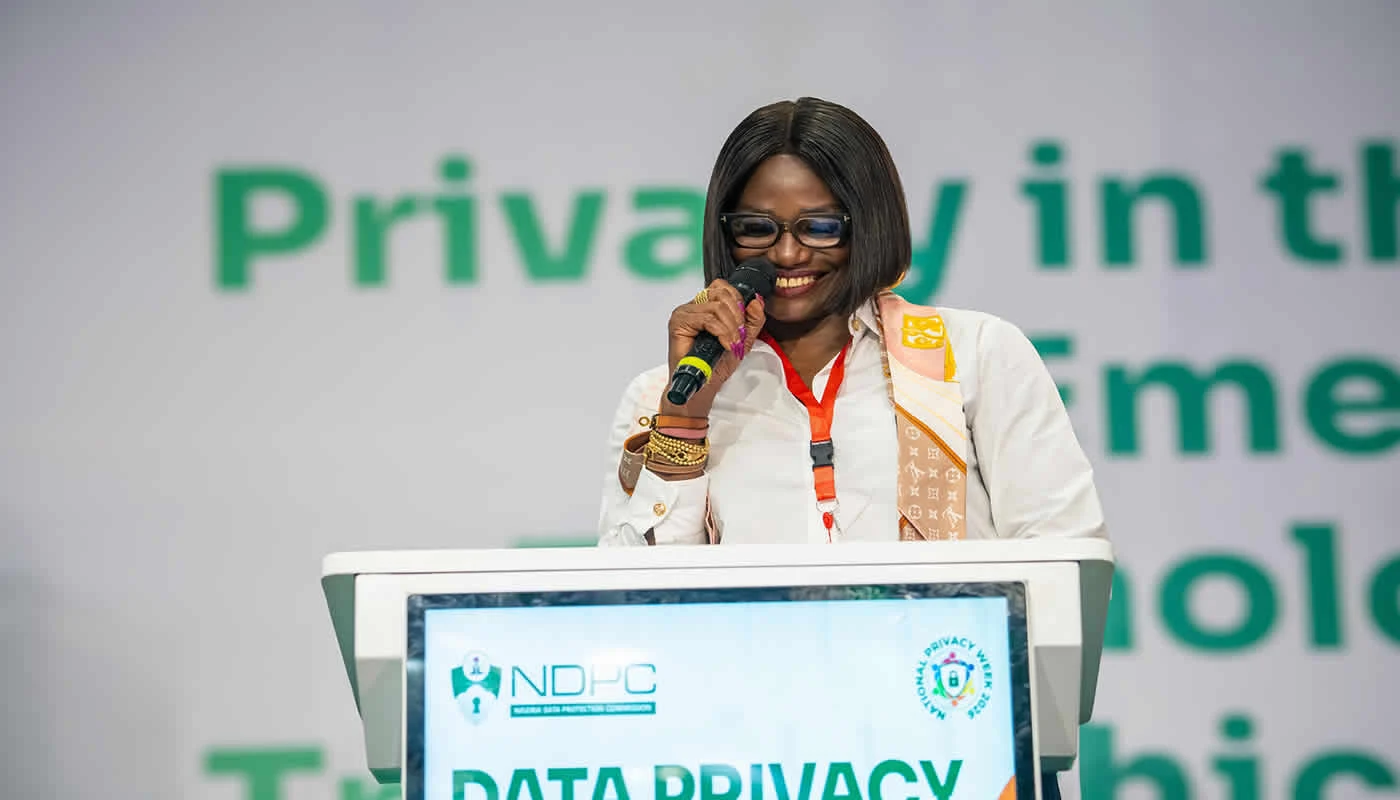
The conversation has gained renewed urgency following the enactment of the Nigeria Data Protection Act and the establishment of the Nigeria Data Protection Commission. While regulatory oversight is seen as a positive step, experts argue that compliance alone is not enough. Financial service providers must embed “privacy-by-design” into their systems, ensuring data protection is treated as core infrastructure rather than an afterthought. Observers say that until trust becomes central to digital finance, Nigeria’s financial inclusion goals may remain out of reach.
source: punch