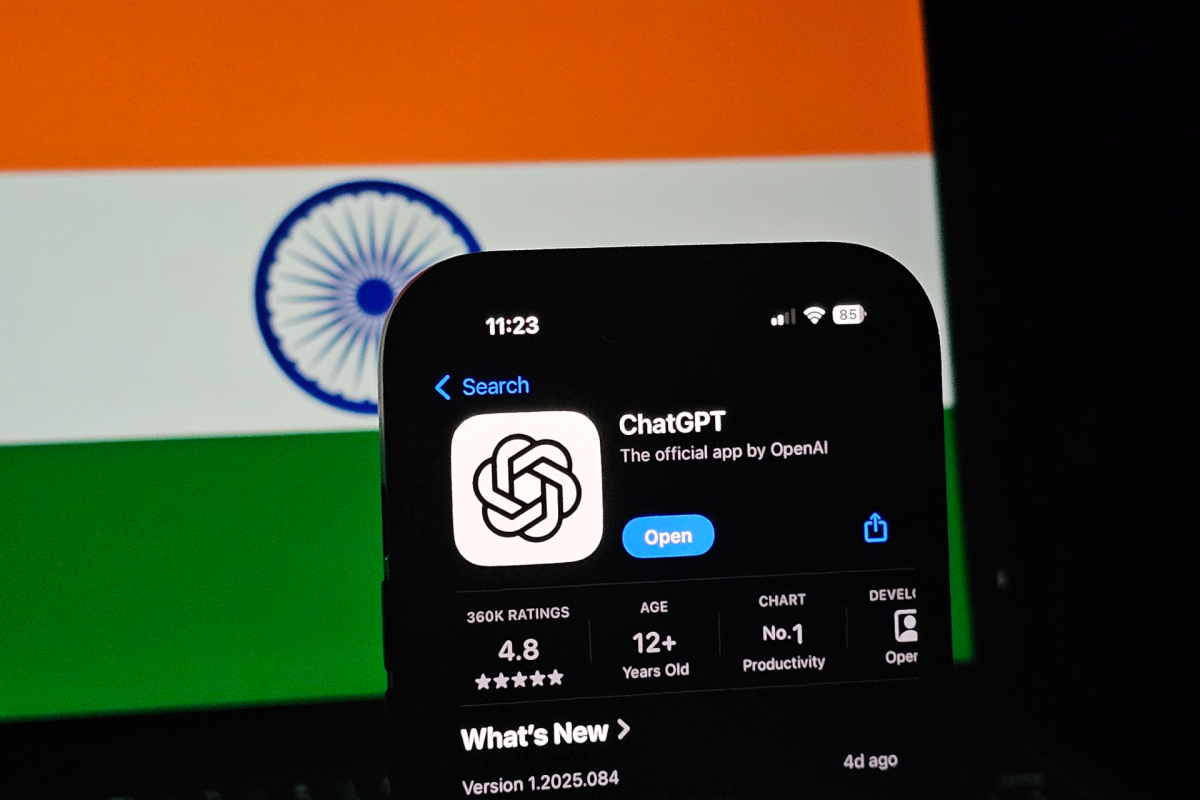
OpenAI, the company behind ChatGPT, has officially launched ChatGPT Atlas, a groundbreaking AI-powered web browser that integrates conversational intelligence directly into users’ browsing experience. The launch, which took place on October 21, 2025, marks OpenAI’s bold entry into the browser market — positioning Atlas as a potential rival to Google Chrome, the dominant player with over 70% of global market share.
Unlike traditional browsers, ChatGPT Atlas removes the standard address bar and centers the experience around ChatGPT itself, transforming it into what OpenAI describes as a “super-assistant.” Users can chat, search, and navigate the web seamlessly without switching tabs or copying information between apps. The browser is currently available for MacOS users worldwide, with versions for Windows, iOS, and Android expected soon.
OpenAI says Atlas includes advanced features such as context-aware assistance and a paid “Agent Mode” for Plus, Pro, and Business users. This mode allows ChatGPT to perform searches, summarize pages, and automate browsing tasks in real time. Users can also enable browser memories, allowing ChatGPT to recall details from visited websites — though OpenAI emphasizes privacy controls that let users delete stored data at any time.
The timing of Atlas’s debut highlights the growing competition between OpenAI and Google in the race to dominate AI-driven search and productivity tools. Since ChatGPT’s rise in late 2022, Google has introduced its own Gemini AI model within Chrome and AI-enhanced search results. However, analysts suggest that integrating chat into a browser could signal OpenAI’s future move into search advertising, a space currently worth hundreds of billions and dominated by Google.

OpenAI’s broader strategy extends beyond the browser. The company has expanded aggressively in 2025 through major acquisitions, including Windsurf (formerly Codeium) in a $3 billion deal and Statsig, a product-testing startup acquired for $1.1 billion. These moves, alongside a $300 billion cloud partnership with Oracle, reflect OpenAI’s ambition to power a new era of AI-driven productivity. With 800 million weekly ChatGPT users, ChatGPT Atlas could redefine how people search, browse, and interact online — challenging the very foundation of the web experience.
source: Nairametrics