
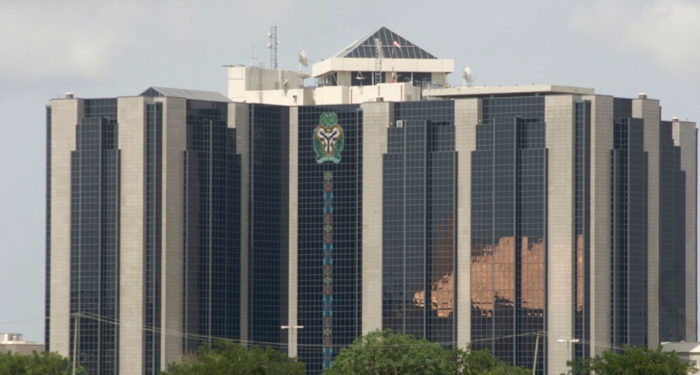
The Central Bank of Nigeria (CBN) has concluded a forensic audit into disputed foreign exchange (FX) forward contracts, uncovering irregularities worth about $2 billion. The audit, conducted by Deloitte, revealed murky transactions, weak controls, and ineligible companies that secured approvals for dollars they should not have accessed. While valid contracts were honoured with dollar payouts, those deemed invalid were cancelled, and counterparties received only refunds of their original naira deposits.
The controversy stems from FX forwards, a system where companies pay naira upfront in exchange for dollars at a pre-agreed future rate. Many firms expected payouts at today’s higher naira-dollar exchange rate, but the CBN refunded their funds at the original rate, leaving unanswered questions over who ultimately bears the losses—banks or customers. Analysts say the CBN’s refusal to compensate for lost time value or exchange rate differences highlights its tougher stance on market discipline.
Investigators uncovered troubling patterns: contracts approved under mismatched names, inflated import values, and transactions for items not permitted under Nigeria’s FX rules. Some approvals even went to companies without legitimate demand or documentation. Sources suggest that cases involving fraud and misrepresentation have been referred to law enforcement agencies, including the EFCC, raising the prospect of further probes.
By refusing to settle invalid contracts, the CBN avoided draining its already pressured reserves and sending a signal that rule-breaking would be tolerated. While banks and affected parties appear to be lobbying quietly, there has been no public challenge to the regulator’s decision. Industry insiders believe the CBN’s “case closed” position is final, with no appeals or renegotiations on the table.

Looking ahead, the outcome sets a new precedent for Nigeria’s forex market. The CBN has vowed to honour only “legitimate” obligations, meaning all forward contracts must now align with import forms, customs records, and regulatory approvals. Market watchers say this audit is more than a clean-up—it is a warning that the era of loosely monitored FX deals is over. For banks, importers, and investors, the message is clear: in Nigeria’s new forex regime, paperwork and compliance are no longer optional.
Source: Nairametrics


