
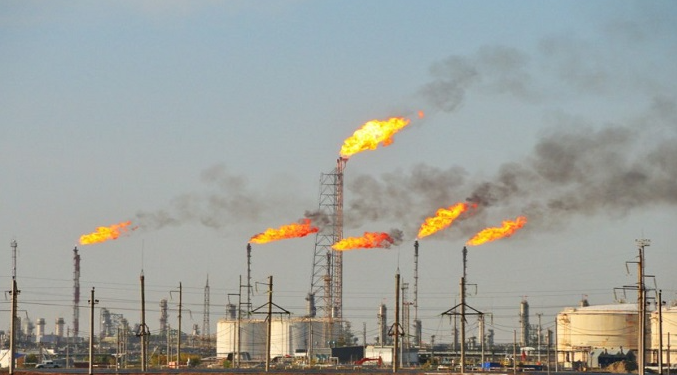
Nigeria recorded a significant energy milestone in July 2025 as gas flaring fell to 7.16%, even as daily gas production rose to 7.59 billion standard cubic feet per day (BSCFD). The Nigerian Upstream Petroleum Regulatory Commission (NUPRC) disclosed the figures in a recent press release, highlighting the country’s progress toward its 2030 zero-flaring target. According to the Commission, the simultaneous growth in production and decline in flaring demonstrates a commitment to sustainable gas development.
The NUPRC reported that Nigeria’s gas industry has seen consistent growth over the past three years. Daily production of 7.59 BSCFD in July 2025 represents an 8.58% increase over the 6.99 BSCFD recorded in 2024 and a 9.84% rise from the 6.91 BSCFD posted in 2023. Despite this rise in output, gas flaring continued to decline, falling from 7.55% in 2024 and 7.38% in 2023, reflecting the effectiveness of flaring reduction initiatives.
Several programs are driving this progress, including the Nigerian Gas Flare Commercialisation Programme (NGFCP), the development of a Decarbonisation and Sustainability Blueprint, and the promotion of Carbon Capture and Storage (CCS). NUPRC also integrates sustainability into upstream project planning through its Upstream Petroleum Decarbonisation Template (UPDT), reinforcing Nigeria’s broader climate and energy goals.
The Domestic Gas Delivery Obligation (DGDO) performance also improved, reaching 72.5% in July 2025, up from 71.8% in June. Data shows that gas supply is increasingly diversified, with 63% of output from Marginal Sole Risk fields, 24% from Production Sharing Contracts, 10% from Joint Ventures, and 3% from Sole Risk operators. Gas-to-Power supply hit a three-month high in July at 862.86 million standard cubic feet per day (MMSCF/D), marking a 3.48% increase from June 2025.

Looking ahead, NUPRC reaffirmed its commitment to eliminating routine gas flaring by 2030 and reducing methane emissions by 60% by 2031. The latest World Bank Global Gas Flaring Tracker reported a 12% increase in flaring in Nigeria in 2024, largely driven by operations by the Nigerian National Petroleum Corporation and smaller companies lacking the resources for efficient gas utilization. These figures underscore the importance of sustained regulatory and investment efforts to align Nigeria’s energy sector with global sustainability standards.
Source: Nairametrics


