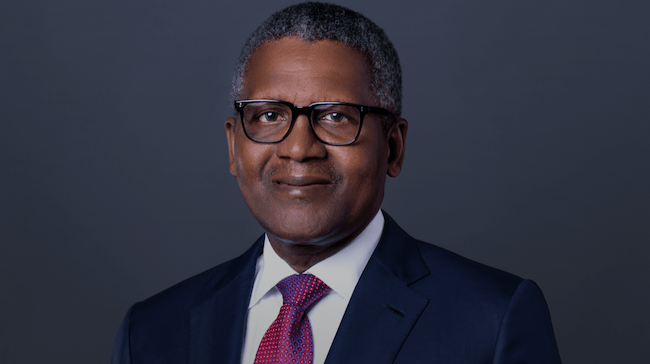
A major dispute has emerged between Nigeria’s top industrialist Aliko Dangote and the Nigerian Midstream and Downstream Petroleum Regulatory Authority (NMDPRA) over the actual daily petrol consumption of the country. While the NMDPRA reports an average daily consumption of 50 million litres, Dangote claims the true figure is closer to 33 million litres. He suggests the higher numbers are inflated, especially during the fuel subsidy era, to cover up systemic corruption and financial misappropriation.
Speaking during a visit by Global CEO Africa members to the Dangote Refinery, Dangote strongly criticised the petroleum sector, describing it as “mafia-like.” He said the corruption in the fuel subsidy system was so entrenched that he initially avoided entering the business. He alleged that at certain times, petrol consumption was reported at 90 million litres per day—an implausible figure, given Nigeria’s vehicle population.
The controversy draws further complexity as multiple institutions—such as the Nigerian Bureau of Statistics (NBS) and the Central Bank of Nigeria (CBN)—also contribute to petrol import and consumption data. Independent crude oil refiners and industry stakeholders have joined in, calling for a thorough investigation to establish a more accurate, transparent national consumption figure.
Legal and energy expert, Taiwo Ogunloye, weighed in, emphasising the pivotal role of the NMDPRA in enforcing transparency and market-driven reforms under the Petroleum Industry Act (PIA). According to him, the agency is empowered to regulate consumption, ensure energy stability, and maintain accountability among licensed operators. He acknowledged Dangote’s insider perspective but argued that only the regulatory authority can provide comprehensive national data.

Ogunloye also noted that while Dangote’s allegations of corruption are serious, they require substantial evidence. The public dispute has amplified the call for independent verification of Nigeria’s fuel data, raising broader concerns about transparency in the post-subsidy oil economy. Until a new audit is conducted, the exact figure remains contentious, fueling further debate in policy and investment circles.
Source: Leadership