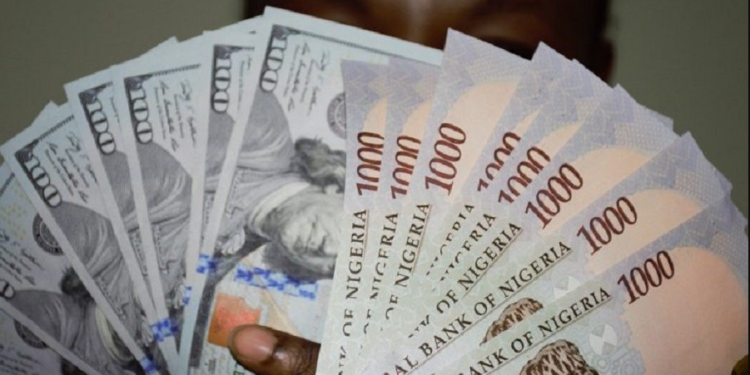
The Nigerian naira gained ground against the U.S. dollar, breaking below the N1,600/$ threshold in the black market. It traded at N1,590/$ during mid-week unofficial market activity, compared to N1,595–N1,600/$ earlier in the week. At the official Nigerian Foreign Exchange Market (NFEM), it appreciated slightly to N1,549/$, aided by the Central Bank of Nigeria’s (CBN) forex interventions and ongoing economic reforms. Analysts suggest these policies, along with foreign capital inflow strategies, may help stabilize the naira in the medium term.
Meanwhile, the U.S. dollar plunged to a three-year low globally as political pressure from President Trump and dovish expectations from the Federal Reserve rattled investor confidence. Trump’s criticisms of Fed Chair Jerome Powell and speculation about his replacement intensified concerns, pushing the dollar index sharply down against a basket of major currencies.
Market jitters were further stoked by expectations that the Fed may cut interest rates as early as July, despite Powell’s cautionary stance on persistent inflation. His testimony signaled that rate reductions would be measured, as the full impact of new tariffs and trade uncertainties remain unclear. Still, Wall Street appears to be pricing in possible cuts by year-end.
Additional pressure on the dollar came from U.S. fiscal policy concerns. Treasury Secretary Scott Bessent extended the debt issuance suspension period and warned that without Congressional action on the debt ceiling, the government could face payment delays. This added to investor anxiety, contributing to the weakening of the greenback.

Geopolitical developments also eased demand for the dollar as a safe-haven currency. A U.S.-mediated ceasefire between Israel and Iran helped calm regional tensions, while upcoming nuclear talks with Iran further buoyed risk sentiment. With European economic indicators outperforming expectations, global investors are shifting focus away from the U.S., further accelerating the dollar’s decline.
Source: Nairametrics