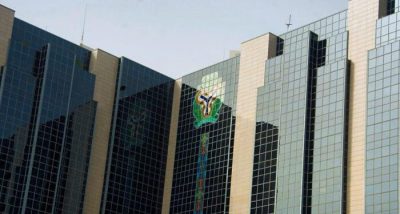
The implementation of the Supreme Court’s ruling on local government autonomy has encountered new challenges, as several state governors are actively preventing local government chairmen from opening accounts with the Central Bank of Nigeria (CBN) to receive direct allocations from the Federation Account. This obstruction comes nearly nine months after the court’s judgment, which was intended to grant financial independence to the 774 local governments across the country. A panel set up to oversee the implementation has recommended that CBN open accounts for each local government to facilitate this direct payment, but progress has been slow due to state-level resistance.
Reports reveal that some governors are using intimidation and coercion to discourage local government chairmen from setting up CBN accounts, which would bypass the state governments’ control over local government funds. In one instance, a governor in the South-East region threatened local government chairmen, blocking an agreement where chairmen would remit 50% of their allocations to the state government in exchange for autonomy. Other states have faced similar opposition, with governors expressing fears that direct payments from the CBN would sever their access to local government finances, which they have historically controlled.
In contrast, some local government areas, like in Nasarawa State, are compliant with the directive to open CBN accounts. However, despite the accounts being opened, no local government has yet to receive direct federal allocations due to delays in implementation. Local government leaders across the country are frustrated with the slow progress, with many attributing the delay to both state governments’ resistance and the Federal Government’s failure to ensure proper disbursement processes. Several local government chairmen, especially in states like Kwara and Yobe, have yet to see the direct payment of their allocations.

The issue has sparked further confusion, with some local government chairmen unaware of the current status of policy implementation, while others are waiting for further instructions from the state or federal authorities. In states like Kano, local government chairmen have yet to complete the necessary procedures to open CBN accounts, citing the lack of clear directives from the CBN. While a few governors, such as in Jigawa, are reportedly progressing with the implementation, the overall picture remains one of significant delays and resistance at various levels of government.