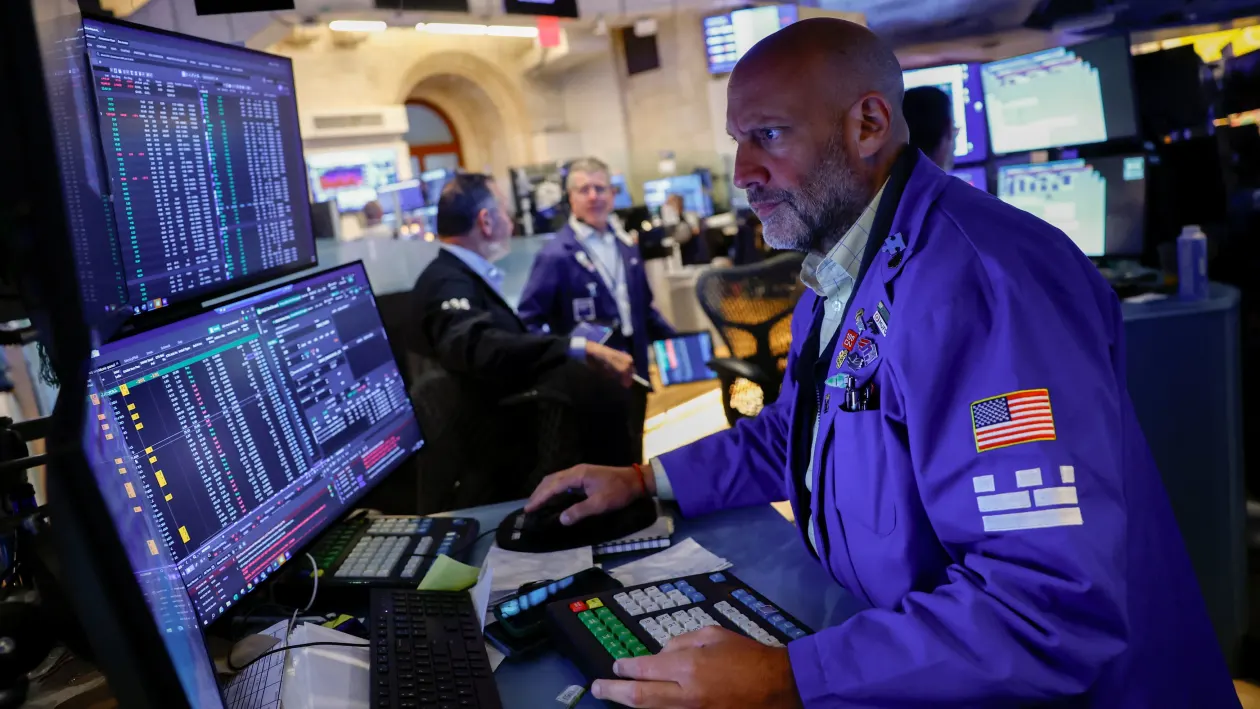
U.S. stock futures moved modestly higher on Wednesday as investors turned their attention to the Federal Reserve’s highly anticipated interest rate decision, with markets bracing for a possible rate hike. S&P 500 futures gained 0.2%, while Nasdaq-100 futures rose 0.4% and Dow Jones futures added about 77 points, or 0.2%, ahead of the announcement.
Market expectations point strongly toward a 0.25 percentage-point increase, with futures markets pricing in a 92.5% probability of a hike at Wednesday’s meeting. Investors are also watching the possibility of further increases, with markets assigning a 45% chance of another quarter-point hike in October and a 30% chance in December. The Fed’s current target rate stands between 3.5% and 3.75%.
The rate decision comes as inflation remains a major concern despite signs of cooling. U.S. consumer prices rose 3.4% year-on-year in August, down from a recent 4.2% high recorded in May. However, core inflation increased 0.3% during the month, exceeding expectations and keeping pressure on policymakers. Rising energy costs are adding another layer of concern, with U.S. diesel prices recently reaching $6 per gallon amid supply disruptions linked to geopolitical tensions.
Oil prices also remained elevated, with Brent crude trading around $107.92 per barrel and West Texas Intermediate at about $104.55. At the same time, U.S. Treasury yields remained above 5%, reflecting investor concerns over inflation and the possibility of tighter monetary policy. The backdrop has already weighed on equities, with the S&P 500 falling 0.45% and the Nasdaq Composite dropping 0.78% in Tuesday’s session.

Attention now shifts to the Federal Reserve’s decision and the signals it sends about the months ahead. While investors are closely watching whether policymakers raise rates and how they frame future decisions, markets across Asia and Europe remained mixed to slightly higher on Wednesday. The outcome could set the tone for global markets as investors assess the impact of interest rates, inflation, energy prices and ongoing geopolitical tensions.
source: cnbc