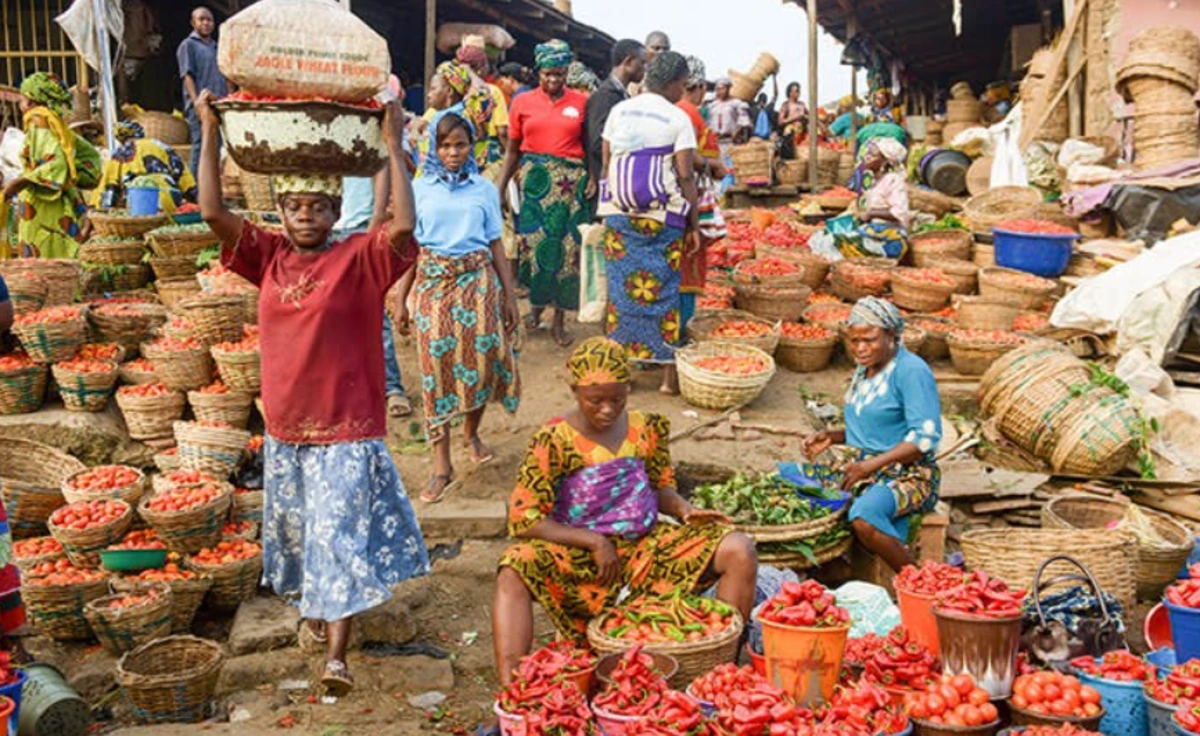
Nigeria’s headline inflation rate could rise in August after two consecutive months of decline, with analysts projecting a reading between 15.3% and 15.94%, compared with 15.43% recorded in July. While the main harvest season could bring some relief to food prices, experts say high petrol and diesel costs, alongside base-year effects, may slow the pace of disinflation.
Food prices are expected to remain the biggest driver of inflationary pressure. Dr Ayodeji Ebo, Chief Executive Officer of MDU Capital Limited, forecasts headline inflation at about 15.6% year-on-year, saying the harvest season may help ease food costs but could be offset by elevated energy and transportation expenses. Higher petrol and diesel prices continue to affect the cost of moving goods, production and distribution across the country.
Damilare Asimiyu, Head of Research at FSDH Group, has a more aggressive forecast of 15.94% for August, which would end the recent two-month decline. FSDH expects food inflation to edge up to 20.49% year-on-year from 20.31% in July, although month-on-month food inflation could slow as supplies of tubers, vegetables and other staples improve during the harvest season. Core inflation, meanwhile, is projected to moderate further to 14.68%.
Not all analysts expect an increase. Kehinde Jones, Head of Research and Strategy at Anchoria Capital Group, projects headline inflation could moderate to 15.3% in August, supported by easing core inflation and relatively stable exchange-rate conditions. The firm, however, expects inflation to face renewed pressure toward the end of the year from food prices, energy costs and seasonal demand, with headline inflation projected at 15.5% by December 2026.

The August inflation reading will therefore offer an important signal about the direction of Nigeria’s cost-of-living pressures. Although stronger food supplies could ease some pressure, persistent fuel and energy costs, distribution challenges and statistical base effects may keep inflation elevated. For households already dealing with high living costs, the key issue remains whether the harvest season can deliver meaningful relief at the market level or whether rising energy costs will continue to eat into those gains.
source: nairametrics