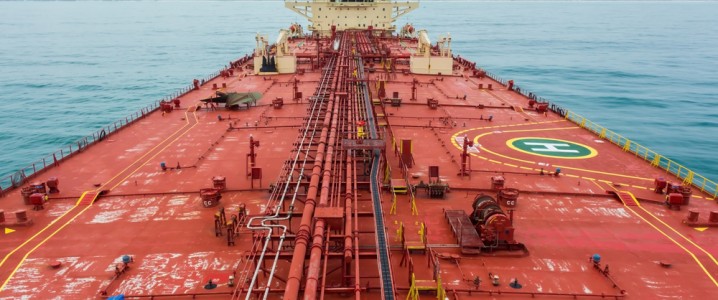
The Strait of Hormuz shipping traffic has dropped sharply as escalating tensions between the United States and Iran continue to unsettle global oil markets. Ship-tracking data showed only four tanker crossings through the strategic waterway on Tuesday, well below the 10-day average of 13 crossings, raising fresh concerns about the movement of crude from the Persian Gulf.
Data from Windward also showed limited activity, with four tankers entering the strait and three leaving. Some vessels were reportedly operating in “dark mode,” making their movements more difficult to track. The figures contrast with comments from U.S. Energy Secretary Chris Wright, who said about 17 million barrels of crude passed through the Strait of Hormuz on Monday.
Market analysts, however, warned against drawing conclusions from a single day of shipping data. ING commodity analysts said Persian Gulf oil flows may still be above pre-war levels when alternative routes are taken into account, but acknowledged that ship trackers are showing significantly lower volumes. They noted that longer-term averages provide a clearer picture because oil shipments can vary considerably from one day to another.
The latest decline in tanker movements comes after reports that Iran struck two tankers carrying Saudi oil in the Strait of Hormuz. The attacks followed U.S. strikes launched over the weekend and have added another layer of uncertainty to an already volatile energy market. Brent crude climbed above $96 per barrel, while West Texas Intermediate (WTI) traded above $90, reflecting growing concerns over possible disruptions to one of the world’s most important oil transit routes.

The confrontation has also taken a sharply political and military turn. U.S. President Donald Trump claimed the United States now has almost total control of the Strait of Hormuz, while Iran’s joint military command warned that continued U.S. actions would trigger broader and more devastating retaliation. With threats escalating on both sides, traders and energy markets are closely watching tanker movements through Hormuz, as any prolonged disruption could put further pressure on global oil supplies and prices.
source: oilprice