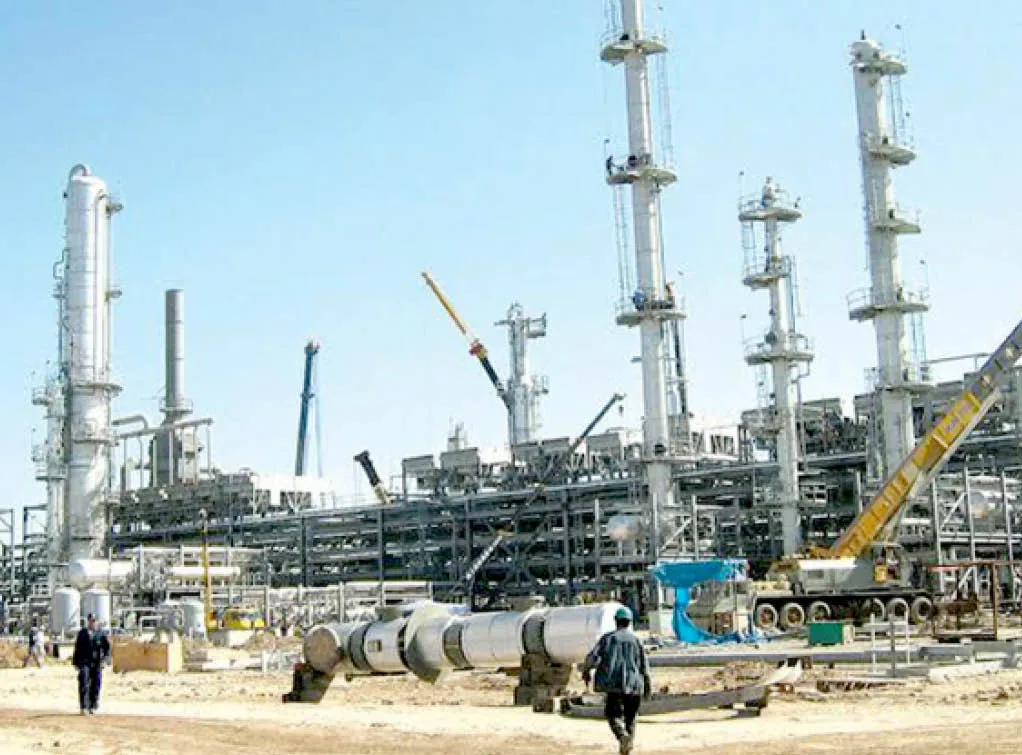
Three years after the Federal Government removed petrol subsidy with promises of attracting investment and strengthening Nigeria’s downstream petroleum sector, the country’s much-anticipated modular refinery boom is yet to happen. Data from the Nigerian Midstream and Downstream Petroleum Regulatory Authority (NMDPRA) show that only five of the 30 licensed modular refineries have been completed, while just three were operating between December 2025 and June 2026.
The slow progress is raising fresh concerns over Nigeria’s plan to expand domestic refining and reduce dependence on imported petroleum products. Despite the subsidy removal in May 2023, no new modular refinery has commenced operations in the three years since then. This is a major setback for earlier government plans to establish smaller refineries across oil-producing communities, particularly in the Niger Delta, where the government had proposed three modular refineries per oil-producing state.
The few plants that are operating, however, show that the modular refinery model can work when financing, crude supply and technical capacity are available. Waltersmith, Edo Refinery and Aradel were the three operating plants recorded by the NMDPRA during the review period, producing an average of about 562,000 litres of diesel daily as of June 2026. Waltersmith, located in Imo State, recently doubled its capacity from 5,000 barrels per day to 10,000 barrels per day, while Edo Refinery has a capacity of 6,000 barrels per day. Aradel’s Ogbele refinery in Rivers State has a capacity of 11,000 barrels per day.
Industry stakeholders, however, say crude supply, financing and the wider business environment remain major obstacles. The challenge is not limited to modular plants, as even the much larger Dangote Refinery has faced crude supply difficulties and has had to import feedstock. Experts argue that smaller refineries are even more exposed because their limited scale leaves little room to absorb high operating costs, supply disruptions and other inefficiencies.

Oil and gas experts are therefore calling on the Federal Government, NNPC Limited and petroleum regulators to move beyond issuing licences and create practical support systems for operators. They say reviving the proposed Modular Refinery Development Fund and addressing financing, crude supply and regulatory bottlenecks could unlock more investments, create jobs and increase the local supply of diesel, kerosene and other petroleum products. As Professor Wumi Iledare noted, subsidy removal was only the first step towards a competitive downstream market; the bigger test now is whether Nigeria can build an environment where existing refineries can compete and new investors can confidently enter the market.
source: dailytrust