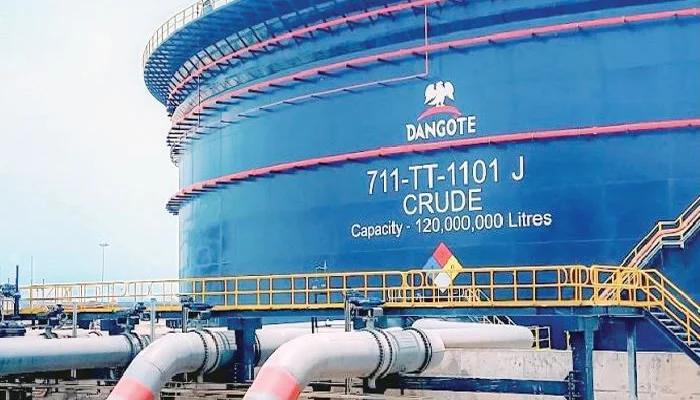
Dangote Petroleum Refinery has expanded its free petroleum product delivery programme to four more states, bringing the total number of states covered to 14 and raising fresh hopes that lower distribution costs could eventually translate into more competitive petrol prices across Nigeria.
The latest expansion covers Kano, Imo, Anambra and Nasarawa, adding to the states and territories already benefiting from the initiative, including Lagos, Ogun, Rivers, Kaduna, Abuja and Delta. The programme is designed to take refined petroleum products closer to independent marketers and retailers while removing the cost of transporting products over long distances from the refinery.
For marketers, the move could provide much-needed relief from one of the biggest pressures in the downstream petroleum business: logistics. By absorbing delivery costs, Dangote Refinery is effectively cutting expenses linked to haulage, truck operations, drivers, insurance and road risks. The savings could give marketers more room to manage their businesses and potentially reduce the cost of petrol at filling stations.
Fatima Aliko Dangote, Group Executive Director, Commercial Operations, Oil & Gas, WAEP and Fertiliser, said the goal was to ensure that the benefits of domestic refining reached businesses and consumers beyond the refinery gate. The Independent Petroleum Marketers Association of Nigeria also welcomed the initiative, with its National Publicity Secretary, Chinedu Ukadike, describing it as a major relief for independent marketers whose funds can remain tied up while they wait for products to be transported to their destinations.

The expansion could become even more significant if Dangote Refinery extends the programme to more parts of the country. With transportation costs forming part of the expenses eventually reflected in petrol prices, reducing the distance products travel could help ease pressure across the supply chain. IPMAN has therefore urged the refinery to widen the initiative, particularly in northern Nigeria, as stakeholders look to domestic refining to make fuel distribution more efficient and the downstream market more competitive.
source: independent