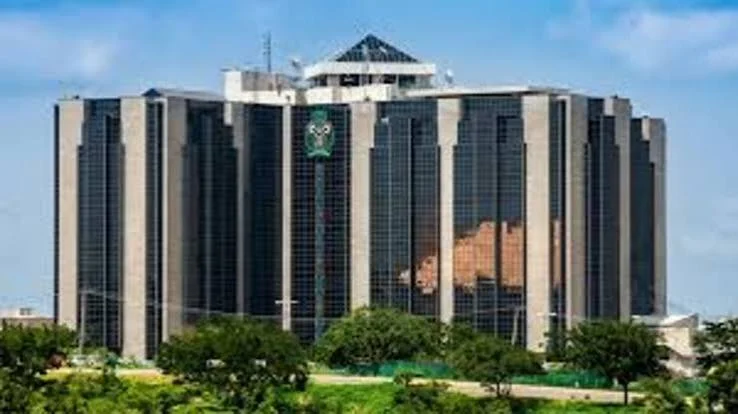
The Central Bank of Nigeria has been urged to widen its regulatory oversight beyond banks and financial institutions to include fintech companies, cloud service providers, telecom networks and other technology partners that now play a critical role in the country’s financial system. Director-General of the National Information Technology Development Agency, Kashifu Inuwa, warned that traditional regulation may no longer be enough as banks and payment companies become increasingly dependent on interconnected digital infrastructure.
Speaking at the 15th Retreat of the CBN Committee of Departmental Directors in Lagos, Inuwa said a disruption affecting an external technology provider could quickly spread across the financial ecosystem, even when the affected bank remains operational. He called for regulators to develop an end-to-end view of the systems supporting modern banking, stressing that financial stability now depends heavily on resilient technology and Nigeria’s ability to maintain control over critical digital infrastructure.
The warning comes as cloud computing, fintech platforms, telecommunications and digital payment systems become deeply embedded in everyday financial services. Inuwa said regulators must look beyond individual institutions and also assess third-party and fourth-party risks, where a bank’s technology provider may itself depend on another company. Such layers of dependency, he noted, could make it difficult to identify the source of a disruption until it has already affected customers and multiple financial institutions.
The CBN has already taken steps to strengthen technology-related safeguards, including requiring payment acquirers, processors and terminal service providers to maintain dual connections to NIBSS and Unified Payment Services to reduce dependence on a single transaction channel. Meanwhile, NITDA is advancing a regulatory framework for cloud computing and digital infrastructure, with registration, technical assessment and certification of providers expected to begin in October. Inuwa also highlighted artificial intelligence as an emerging risk, warning that AI systems could increasingly become targets for sophisticated cyberattacks even as financial institutions use the technology to strengthen their defences.

As Nigeria pushes deeper into digital banking and fintech-driven financial services, the call for stronger oversight highlights a bigger question: who is responsible when the technology behind the financial system fails? Inuwa argued that digital sovereignty should be treated as part of financial stability, saying regulators must be able to identify and respond to risks across the entire ecosystem rather than wait for institutions to report problems. For the CBN, the challenge is therefore shifting from simply regulating banks to understanding and managing the wider digital infrastructure on which Nigeria’s financial system increasingly depends.
source: punch