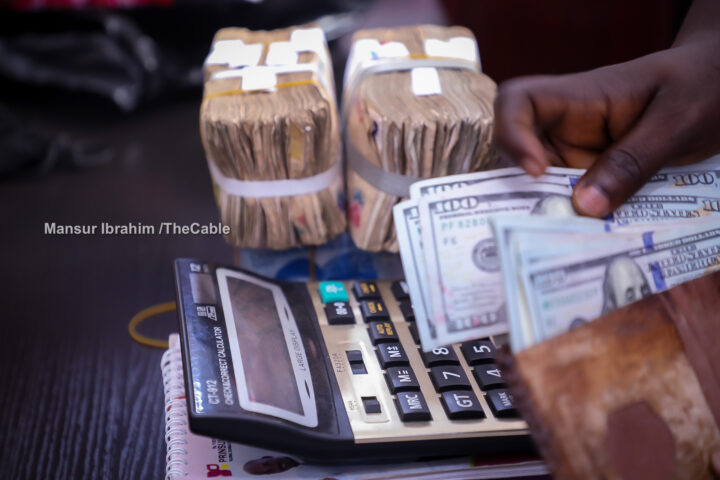
The Central Bank of Nigeria (CBN) has unveiled a new digital platform designed to monitor foreign exchange transactions involving Bureau De Change (BDC) operators, while also introducing stricter operational guidelines for dollar purchases through authorised dealer banks. The new framework, which took effect immediately, is aimed at improving transparency, efficiency, and accountability within Nigeria’s foreign exchange market. Industry stakeholders say the move signals the regulator’s continued efforts to strengthen confidence in the nation’s FX ecosystem.
According to a circular issued by the apex bank on July 15 and signed by Aderinola Shonekan, Director of the Trade and Exchange Department, only BDCs with valid and active licences will be allowed to access foreign exchange from the official market. Operators facing regulatory sanctions, licence suspensions, or operational restrictions will remain barred until such penalties are lifted. The CBN also directed banks to carry out comprehensive Know Your Customer (KYC) and Customer Due Diligence (CDD) checks before processing any foreign exchange transactions for BDCs.
A major highlight of the new policy is the introduction of the FX BDC Purchase Tracker (FXBT), a centralized electronic portal through which all licensed BDCs must submit purchase requests. The platform is expected to streamline interactions between BDCs and authorised dealer banks while providing regulators with greater oversight of transactions. The CBN stressed that banks must respond to purchase requests within two business hours and are prohibited from imposing exclusivity agreements or referral fees that could limit a BDC’s choice of banking partner.
The guidelines also reinforce existing controls on foreign exchange usage. BDCs will continue to operate under the weekly purchase cap of $150,000, while third-party transactions remain strictly prohibited. In addition, any foreign exchange purchased under the framework must be credited only to a registered settlement account. The CBN warned that unused dollars can no longer be retained indefinitely, directing operators to return any unutilised balance to the market within 24 hours after the permitted utilisation period expires.

To ensure compliance, the apex bank has outlined stiff penalties for violations, including monetary fines, suspension from the Nigerian Foreign Exchange Market (NFEM), withdrawal of BDC licences, and sanctions against banks found to be complicit in breaches. The CBN said its Trade and Exchange Department will conduct regular monitoring and inspections, including surprise examinations where necessary. With the launch of the digital FX tracker and tougher compliance measures, the regulator hopes to deepen market liquidity, curb abuses, and promote a more orderly and transparent foreign exchange system in Nigeria.
source: The cable