
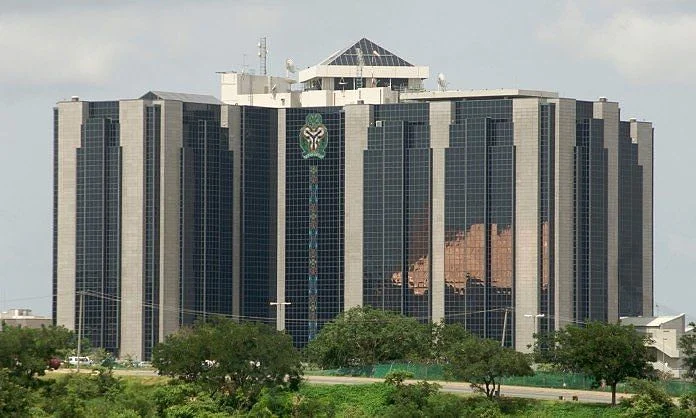
Nigeria’s financial markets could face a significant shift in the coming months as experts warn that the Central Bank of Nigeria (CBN) may increase its benchmark interest rate during the second half of 2026. The projection comes amid growing concerns that heightened political spending ahead of the 2027 general elections could inject excess liquidity into the economy and push inflation higher. The warning was delivered by respected capital market economist, Prof Uche Uwaleke, during Arthur Steven Asset Management’s Mid-Year Macroeconomic Review and Outlook webinar.
According to Uwaleke, historical trends show that the year preceding a general election often experiences increased government and political spending, leading to stronger demand pressures and rising inflation. He explained that if inflation is driven by an expansion in money supply, the CBN may be compelled to tighten monetary policy by raising the Monetary Policy Rate (MPR) to stabilize prices and maintain economic balance.
The economist noted that a higher interest rate environment would likely have mixed effects across financial markets. While fixed-income investors could benefit from improved yields on government securities and other debt instruments, the stock market may face increased pressure. Uwaleke emphasized that interest rates and equity market performance typically move in opposite directions, meaning higher borrowing costs could reduce investor appetite for stocks and slow market growth.
Despite the possibility of tighter monetary policy, Uwaleke stressed that the outcome is not guaranteed. He pointed out that fiscal discipline and responsible conduct by political actors could help ease inflationary pressures and reduce the need for further rate hikes. Nevertheless, he advised investors to remain cautious and consider rebalancing their portfolios toward fixed-income assets if policymakers move to increase rates in the months ahead.

Industry stakeholders also highlighted broader efforts to strengthen Nigeria’s investment climate. Securities and Exchange Commission Director-General, Dr Emomotimi Agama, disclosed that regulators are actively engaging foreign investors and addressing concerns surrounding Nigeria’s trading settlement framework. Meanwhile, Arthur Steven Asset Management CEO, Tunde Amolegbe, said the CBN’s policy decisions, corporate earnings performance, foreign exchange stability, new market listings, and evolving pre-election dynamics will be key factors shaping the direction of Nigeria’s stock market for the remainder of 2026.
source: punch

