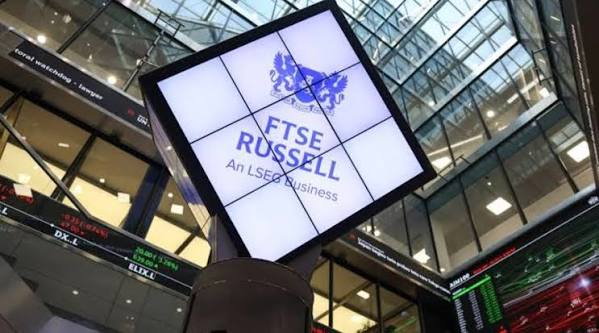
Nigeria’s hopes of reclaiming its position in the global Frontier Market Index have hit a temporary roadblock after FTSE Russell announced a delay in the country’s planned reclassification. The global index provider cited concerns surrounding Nigeria’s recently adopted T+1 settlement cycle, a system that allows stock transactions to be completed within one business day. While the decision has raised questions among investors, market experts insist it should be viewed as a pause for further assessment rather than a setback to the country’s ongoing financial market reforms.
The review comes just weeks after Nigeria officially transitioned from a T+2 settlement framework to T+1, aligning itself with major markets such as the United States, Canada and India. FTSE Russell expressed concerns that the shorter settlement window could create funding challenges for foreign institutional investors, potentially affecting one of its key market accessibility requirements. As a result, the organisation has postponed Nigeria’s reclassification and plans to make a final decision by the end of August 2026.
Despite the delay, industry stakeholders remain optimistic about Nigeria’s long-term prospects. Analysts and market operators argue that the country’s capital market fundamentals remain strong, supported by improved regulation, modernised infrastructure, resilient corporate earnings and growing participation from domestic institutional investors. They stress that FTSE Russell’s concerns are focused on operational processes rather than the overall health or attractiveness of the Nigerian market.
The development has also sparked debate within the financial community, with some stakeholders questioning why a globally accepted settlement model should become an obstacle to Nigeria’s advancement. Others believe the review presents an opportunity for regulators and market institutions to further demonstrate the effectiveness of the T+1 framework and address any lingering concerns from international investors. Recent engagements between Nigerian capital market leaders and FTSE Russell officials in London have been aimed at providing clarity and reinforcing confidence in the reforms.

Adding to the positive outlook, S&P Dow Jones Indices recently placed Nigeria on its 2027 Country Classification Watchlist for a possible upgrade to Frontier Market status, signaling growing international recognition of the country’s progress. With the Securities and Exchange Commission, Nigerian Exchange Group and other market institutions continuing to push reforms, many analysts believe Nigeria remains firmly on the path toward greater global relevance. For now, investors will be watching closely as FTSE Russell conducts its final review, a decision that could shape the next chapter of Nigeria’s capital market story.
source: newtelegraph