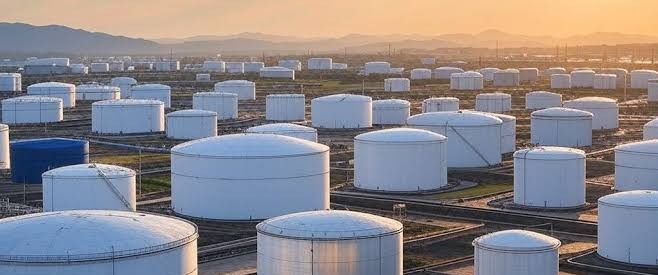
China’s massive oil stockpiles are rapidly becoming one of the most influential factors in the global energy market, with analysts suggesting that the next major oil price rally could depend more on Beijing’s purchasing decisions than on developments in the Middle East. During the recent Iran conflict, China relied heavily on its existing crude inventories rather than increasing imports, helping to ease pressure on global oil supplies and preventing a sharper spike in prices.
According to estimates from the International Energy Agency (IEA), China drew down around 41 million barrels of crude oil from storage in June alone, one of the largest monthly inventory reductions ever recorded. Instead of rushing into the market to secure replacement barrels amid rising prices, Chinese refiners met domestic demand using stored crude. This strategy was made possible by years of stockpiling, during which China reportedly accumulated significant reserves whenever global oil prices softened.
The impact of China’s reduced buying activity was felt across Asia and the Middle East. As Chinese refiners stepped back from the market, more Gulf crude became available to buyers in Europe, India, and other Asian nations. Saudi Arabia responded by aggressively lowering prices for its flagship Arab Light crude, making it more attractive to international customers. At the same time, Chinese refiners increasingly favored discounted oil from Iraq, Abu Dhabi, and Saudi Arabia, reducing their appetite for Iranian crude.
The shift left millions of barrels of Iranian oil stranded in floating storage. Industry data indicates that between 30 million and 34.5 million barrels of Iranian crude remained at sea or in offshore storage facilities as Chinese demand weakened. Imports of Iranian crude into China are expected to fall to their lowest level since early 2023, highlighting how changes in Chinese buying patterns can ripple across global supply chains and reshape trade flows almost overnight.

For decades, Saudi Arabia’s production decisions have been the primary indicator traders watched when assessing future oil prices. Today, however, China’s enormous inventories are creating a new market dynamic. Rather than influencing prices through production, Beijing is increasingly doing so through the timing of its purchases. As the world’s largest crude importer continues to manage its reserves strategically, traders and investors are paying closer attention to Chinese inventory levels, recognizing that they may hold the key to the next major move in global oil markets.
source: oilprice