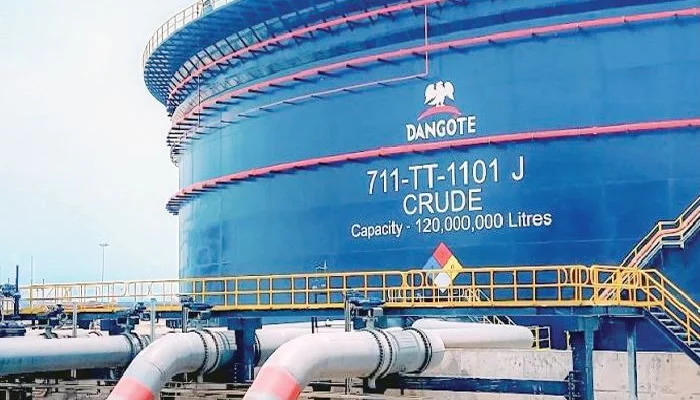
Dangote Petroleum Refinery has officially ended naira-denominated transactions for the sale of petrol, diesel, and aviation fuel, marking a significant shift in Nigeria’s downstream petroleum industry. The company announced a new dollar-based pricing structure, setting the ex-depot price of Premium Motor Spirit (PMS), commonly known as petrol, at $0.779 per litre. The change, which took effect on July 13, 2026, signals a major transformation in the refinery’s commercial operations and could influence fuel pricing across the country.
Under the revised pricing template, Automotive Gas Oil (diesel) will now sell at $1.087 per litre, while Aviation Turbine Kerosene is priced at $0.942 per litre. Coastal deliveries of petrol have also been fixed at $1,044.62 per metric tonne. In a notice sent to petroleum marketers and customers, Dangote Refinery stated that all previously issued naira-denominated invoices and transaction recaps had become invalid, directing buyers to comply with the new dollar-based payment system.
According to industry sources, the refinery’s decision was driven by growing concerns over foreign exchange exposure. While a significant portion of its crude oil supply is now sourced through dollar-denominated agreements, many of its refined products have continued to be sold locally in naira. This imbalance, combined with fluctuating exchange rates and volatile global crude oil prices, reportedly created financial risks that made a transition to dollar transactions necessary.
The move is expected to have far-reaching consequences for petroleum marketers who rely heavily on Dangote Refinery for fuel supplies. Analysts believe the new pricing model could introduce fresh uncertainties into the market, as fuel costs may become more sensitive to movements in the foreign exchange market. Although the refinery clarified that Liquefied Petroleum Gas (LPG) transactions will remain unaffected, concerns remain about how the change could impact the final retail prices paid by consumers.

The development also raises questions about the future of Nigeria’s naira-for-crude policy, which was introduced to strengthen local refining, reduce pressure on foreign exchange demand, and stabilize fuel prices. As Dangote Refinery continues to expand its influence as the country’s largest supplier of refined petroleum products, industry stakeholders will be closely watching how the shift to dollar pricing affects fuel affordability, market competition, and the broader economy in the months ahead.
source: punch