Nigeria’s business landscape is set for another eventful week as key developments across the energy, banking, and financial sectors take centre stage. From the opening of the 25th Nigeria Oil and Gas (NOG) Energy Week in Abuja to the liquidation of dozens of microfinance banks, policymakers, investors, and business leaders will be closely monitoring decisions that could shape the country’s economic outlook in the months ahead.
The spotlight will first fall on the NOG Energy Week 2026, which begins on July 7 in Abuja under the theme, “Advancing Energy Ambitions for Competitive & Resilient Economies.” The annual gathering is expected to attract government officials, regulators, international energy firms, investors, and industry experts from across the globe. Discussions will focus on boosting investment, strengthening energy infrastructure, expanding gas development, and improving regional collaboration as Nigeria seeks to enhance energy security and unlock new opportunities within the sector.
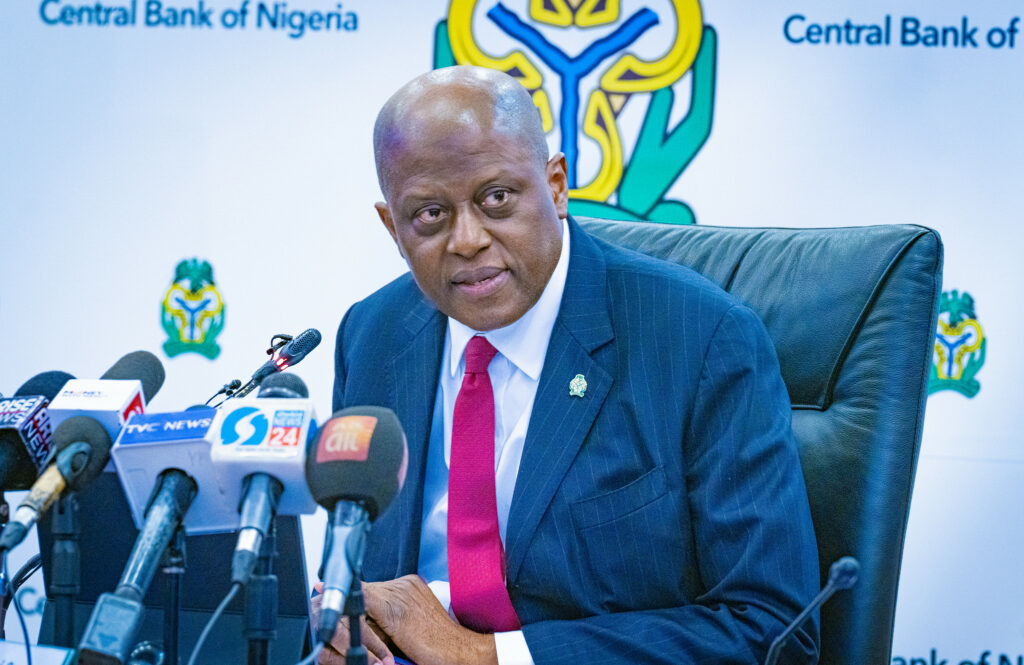
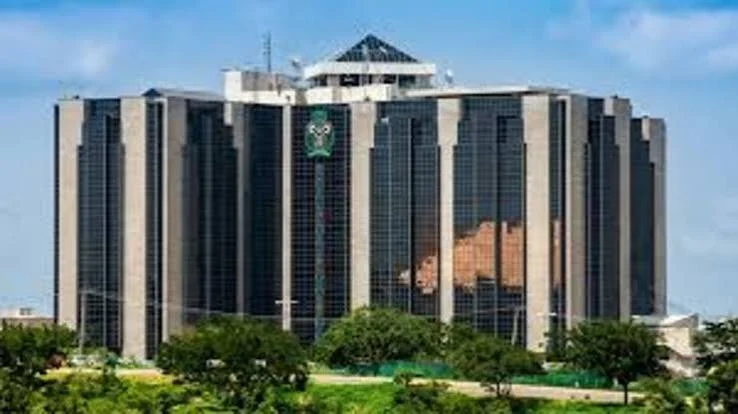
In the banking industry, the Central Bank of Nigeria (CBN) has taken a decisive regulatory step by revoking the operating licences of 46 microfinance banks. According to the apex bank, the affected institutions failed to meet requirements necessary for continued operation. The move, which took effect on July 1, is aimed at protecting depositors, maintaining confidence in the financial system, and ensuring that licensed financial institutions comply with regulatory standards.
Following the licence revocations, the Nigeria Deposit Insurance Corporation (NDIC) has moved swiftly to begin the liquidation process. The agency has appointed an official liquidator to oversee the recovery of assets, verification of depositors’ claims, and payment of insured deposits. The NDIC also cautioned members of the public against conducting transactions with the affected institutions or interfering with their assets and records, warning that such actions could lead to legal consequences.

Meanwhile, other significant developments are expected to generate debate in financial and policy circles. The federal government has appointed Candid Oil Services Limited as the pre-shipment inspection agent for the Taurus Oil and Gas Depot, while a disagreement has emerged between the International Monetary Fund (IMF) and the Nigerian government over claims of unreported public spending. In addition, the National Pension Commission (PenCom) has extended a regulatory forbearance allowing pension fund administrators greater investment flexibility, a move designed to support portfolio diversification amid a limited supply of quality investment instruments in the domestic market. Together, these developments underscore the critical decisions and policy shifts shaping Nigeria’s business environment this week.
source: The cable