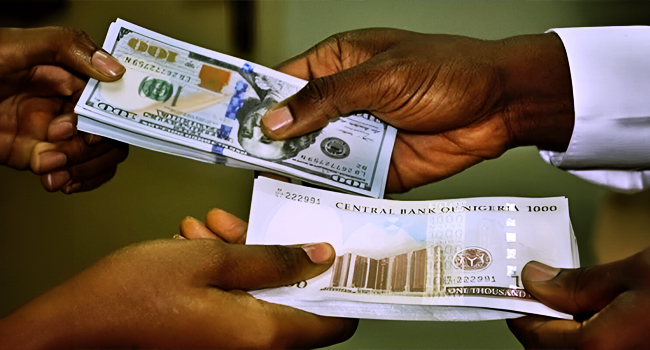
The Nigerian naira is maintaining a stronger footing in 2026, offering a sense of relief to businesses, investors, and consumers after enduring significant volatility over the past two years. The local currency, which once traded above record lows in 2024 and early 2025, is now holding below the N1,400 per dollar mark, with the official exchange rate hovering around N1,370/$. Market analysts believe the improved performance reflects growing confidence in the country’s foreign exchange market and ongoing economic reforms.
A key driver behind the naira’s resilience is the Central Bank of Nigeria’s (CBN) aggressive monetary policy stance. With the Monetary Policy Rate (MPR) standing at 26.67 percent, the apex bank has maintained one of the highest interest rate environments in recent years. While the elevated rates have increased borrowing costs for local businesses, they have also attracted foreign portfolio investors seeking higher returns in Nigeria’s fixed-income market, boosting demand for the naira and supporting exchange rate stability.
Another major factor strengthening the currency is Nigeria’s growing foreign exchange reserves, which have climbed from approximately $45.5 billion in 2025 to about $51 billion. The stronger reserve position has provided the CBN with greater capacity to intervene in the market when necessary and curb speculative pressure against the naira. Analysts from major institutions, including the Chartered Institute of Stockbrokers and CFG Advisory, expect the currency to remain within the N1,350 to N1,520 per dollar range for the remainder of the year.
Economic indicators are also showing signs of improvement. Inflation, which previously surged above 30 percent, has eased considerably, with forecasts suggesting it could average between 15 and 23.8 percent in 2026. At the same time, Nigeria’s economy is projected to grow between 4.0 and 4.4 percent, supported by increased crude oil production averaging about 1.48 million barrels per day. However, experts caution that maintaining oil production levels will be crucial, especially as global crude prices remain relatively soft around $70 per barrel.

Meanwhile, developments in the global financial market continue to influence currency movements. The US Dollar Index gained strength at the start of the week as investors monitored key economic data and expectations surrounding Federal Reserve policy decisions. However, weaker-than-expected US jobs data has raised concerns about a slowing American economy, potentially reducing the appeal of the dollar in the coming months. For Nigeria, a combination of sustained reforms, stronger reserves, stable oil production, and favourable global capital flows could provide the foundation for continued naira stability throughout 2026.
source: nairametrics