

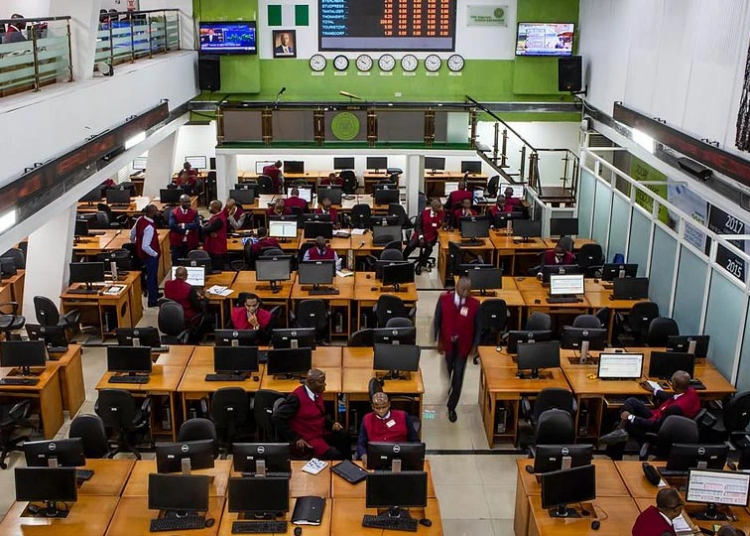
Nigeria’s equities market has entered a new phase following the extension of trading hours on the Nigerian Exchange Limited (NGX). The reform is already reshaping how investors trade, sparking debate across the financial community on whether it will strengthen liquidity or simply stretch existing volumes over a longer period. The change comes at a time when the market is experiencing one of its strongest rallies in history, with year-to-date gains exceeding 50 percent, driven by increased domestic participation and improving macroeconomic stability.
The NGX says the move is part of a broader push to modernize Nigeria’s capital market and align it with global standards. Major exchanges such as the New York Stock Exchange and London Stock Exchange already operate extended or flexible sessions, allowing broader investor access. In Nigeria’s case, the longer trading window is expected to improve accessibility, support faster reactions to market news, and enhance execution for large institutional trades.
However, analysts warn that longer trading hours do not automatically translate into higher liquidity. Instead, they may simply spread existing trading activity across a wider timeframe. Early trends show that most transactions still occur during traditional peak periods, raising concerns about liquidity fragmentation, thinner order books, and possible volatility during off-peak hours when fewer participants are active.
Foreign investors are also watching closely. The extended hours improve overlap with European and North American markets, potentially making it easier for global investors to participate in Nigerian equities. While this could strengthen liquidity and price discovery, experts note that broader issues such as currency stability, policy consistency, and capital repatriation will ultimately determine whether foreign inflows increase meaningfully.

For market participants, the impact is mixed. Brokerage firms face higher operating costs due to longer hours, while retail investors benefit from more flexibility in trading. Institutional investors remain the key drivers of success, as their trading patterns will largely determine whether liquidity deepens or remains concentrated. Ultimately, experts agree that extended trading hours alone are not enough—broader reforms and stronger investor participation are needed to fully unlock the benefits.
source: newtelegraph