

Nigeria’s economy is facing one of its most challenging periods in recent years, as global uncertainty—driven by the ongoing Middle East crisis, inflation pressures, and tighter financial conditions—continues to test emerging markets. For a country long exposed to oil price volatility and foreign exchange instability, the pressing question is no longer whether external shocks will occur, but whether the economy can absorb them without severe disruption. Recent reforms introduced by the Central Bank of Nigeria (CBN) are now being closely watched as a measure of that resilience.
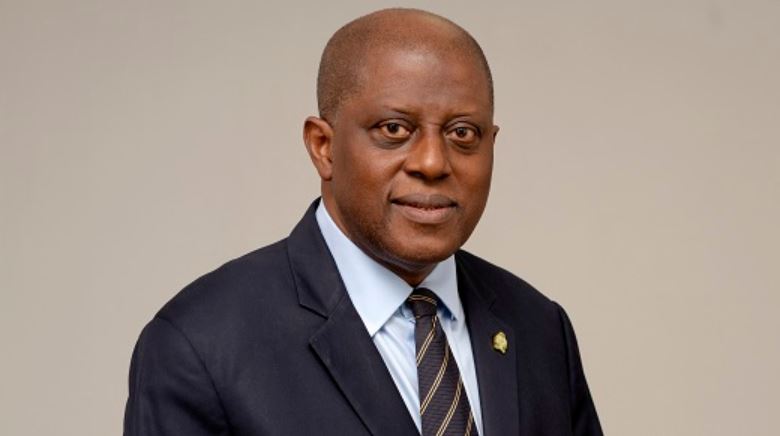
Under the leadership of Olayemi Cardoso, the CBN has implemented sweeping changes aimed at restoring confidence and stabilising the economy. Key among these reforms is the unification and liberalisation of the foreign exchange market, which replaced multiple exchange rate systems with a more transparent framework. The clearance of a $7bn FX backlog has also eased pressure on investors, while the halt of direct CBN financing of government deficits signals a return to more disciplined monetary policy.
These policy shifts, alongside fiscal reforms like fuel subsidy removal, have helped rebuild investor confidence and improve Nigeria’s global economic standing. Institutions such as the World Bank have acknowledged the positive direction of these changes. External reserves have shown signs of improvement, supported by diaspora remittances—estimated at about $600m monthly—and renewed interest from foreign investors. However, analysts caution that these gains remain fragile, especially as they are still heavily influenced by oil price movements and limited fiscal space.
Another critical area of reform is the banking sector, where the CBN has introduced a recapitalisation programme to strengthen financial institutions. With 33 banks raising a combined N4.65tn to meet new capital requirements, the sector is now better positioned to withstand economic shocks. This stronger banking system is expected to boost lending, support small businesses, and drive economic growth. Improved transparency in the FX market and declining sovereign risk have also encouraged foreign portfolio investors to gradually return.

Despite these improvements, Nigeria’s economy remains vulnerable to global developments. The Middle East conflict continues to disrupt energy markets, while high interest rates in advanced economies pose risks of capital outflows. According to the International Monetary Fund, the global economy is under strain, and Nigeria must maintain strong policy coordination to stay resilient. While growth projections remain cautiously optimistic, experts agree that sustaining reform momentum and addressing structural weaknesses will be key to ensuring long-term economic stability.
source: punch