

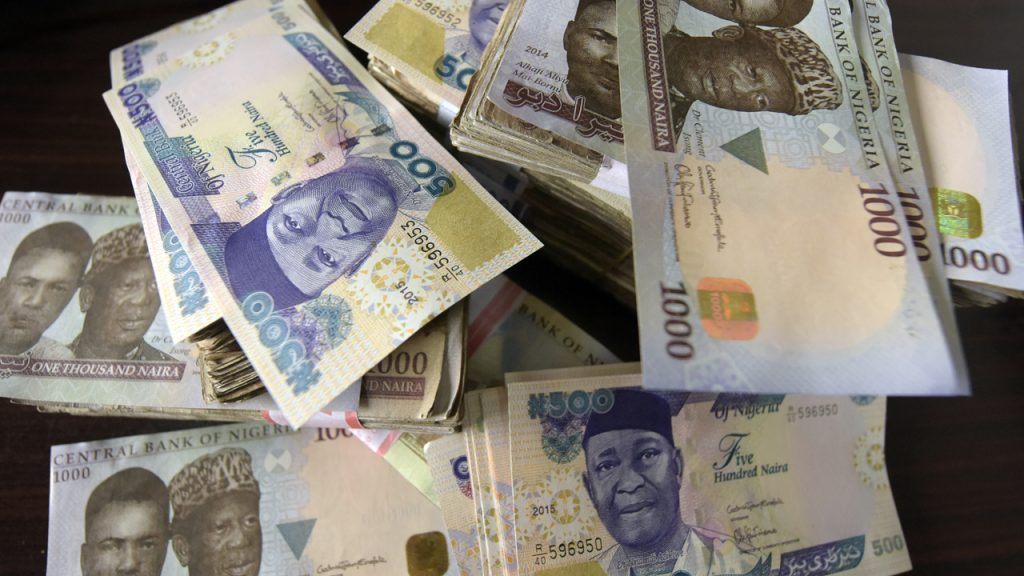
The Nigerian naira recorded a notable recovery in April 2026, marking its first monthly gain for the month of April in three years. According to Central Bank of Nigeria (CBN) data, the currency strengthened to close at about N1,374/$, compared to N1,387/$ at the end of March. This represents a gain of roughly N51 when viewed against recent trading pressures and signals renewed stability in the foreign exchange market.
Market performance during the month showed a clear shift toward calmer trading conditions. Unlike March, when the naira weakened sharply to around N1,425/$ before recovering, April maintained a more stable outlook. The currency traded within a relatively tight range between N1,340/$ and N1,389/$, reflecting reduced volatility and improved liquidity in the official FX window.
At its strongest point in April, the naira appreciated to N1,341.01/$ on April 16, supported by improved dollar supply and easing demand pressures from importers and other market participants. This stability suggests that recent monetary adjustments by the CBN may be gradually taking effect in balancing FX demand and supply conditions.
Year-on-year comparisons also highlight the scale of recovery. The closing rate of N1,374/$ in April 2026 is significantly stronger than the N1,602/$ recorded in April 2025, indicating a broader improvement in market sentiment. Analysts attribute this to tighter monetary policy, stronger diaspora remittances, steady oil-related inflows, and reduced speculative activity in the FX market.

Historically, April has been a difficult month for the naira due to increased import demand after the first quarter. However, the 2026 performance breaks that pattern, ending what traders often refer to as the “April pressure cycle.” With improved FX liquidity and more stable expectations, market observers say the naira may be entering a more predictable phase—though they caution that sustained policy discipline will be key to maintaining the momentum.
source: punch