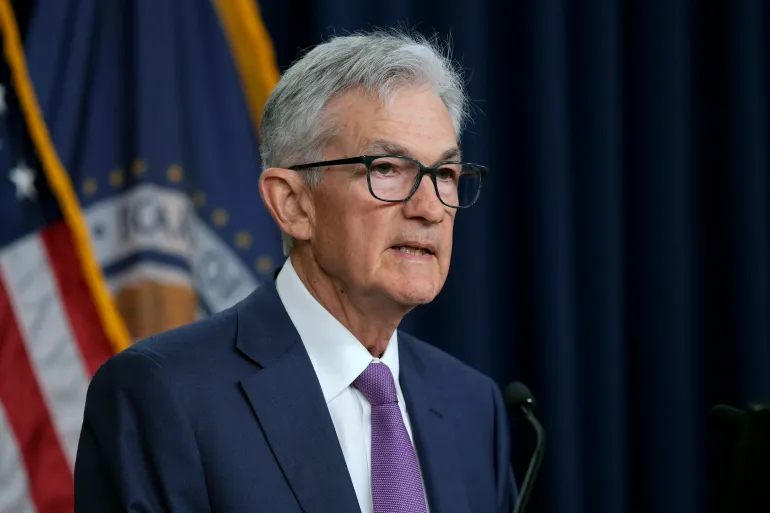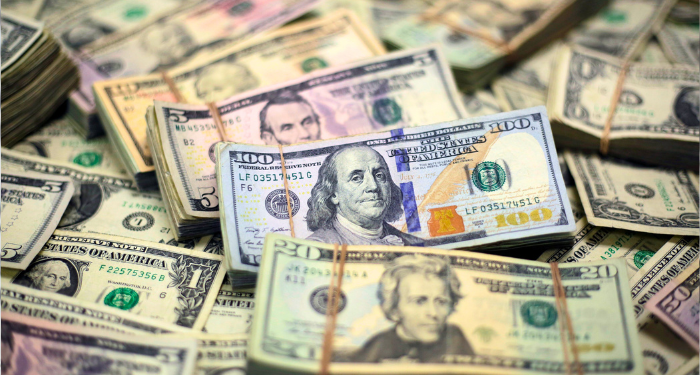
The US dollar weakened on Monday as global markets reacted to shifting geopolitical signals from the Middle East and growing anticipation ahead of key central bank meetings this week. Investors are closely watching the US Federal Reserve’s upcoming decision, which is widely expected to hold interest rates steady, adding to a cautious trading environment.
According to Reuters, the currency market was influenced by renewed diplomatic discussions around the Strait of Hormuz, a critical global oil shipping route responsible for roughly one-fifth of global petroleum flows. Any easing of tensions in the region typically reduces demand for safe-haven assets like the US dollar, contributing to its recent decline.
The US dollar index, which measures the currency against six major peers, fell by 0.3% to 98.32. At the same time, the Japanese yen traded at 159.17 per dollar, hovering just below the psychologically important 160 level. Brent crude oil also rose by about 1% to $106.40 per barrel, reflecting lingering concerns about energy supply risks despite signs of possible de-escalation in the Middle East.
Market analysts say the dollar’s weakness is being driven by a mix of easing geopolitical fears and investor repositioning ahead of the Fed decision. Earlier gains in the dollar, driven by safe-haven demand during heightened tensions, are now gradually unwinding as traders respond to improving risk sentiment and shifting expectations on monetary policy.

For Nigeria, the global developments present a mixed outlook. While a weaker US dollar could ease pressure on the naira, domestic challenges such as declining external reserves—down about $731 million in the first three weeks of April 2026—and sustained foreign exchange demand continue to weigh on the local currency. However, rising oil prices above $106 per barrel may offer some relief by boosting export earnings and strengthening dollar inflows over time.
source: nairametrics