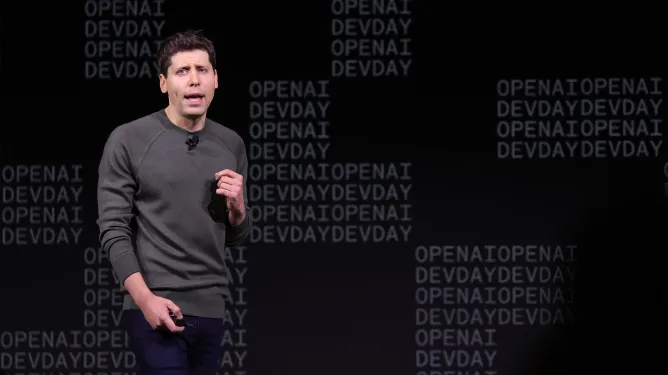
OpenAI has revealed new details about its recent agreement with the Pentagon, addressing concerns over ethics and safety in deploying artificial intelligence in national security. CEO Sam Altman admitted the deal was “definitely rushed,” acknowledging the public backlash that followed the announcement. The move came after negotiations between Anthropic and the Department of Defense collapsed, prompting swift action from OpenAI to fill the gap.
The agreement outlines three strict boundaries for the use of OpenAI’s AI models: mass domestic surveillance, autonomous weapons systems, and high-stakes automated decision-making, such as social credit–style systems. OpenAI emphasized that these restrictions are protected by a multi-layered approach, including cloud-only deployment, oversight by cleared personnel, and robust contractual protections, rather than relying solely on usage policies.
While OpenAI has defended the agreement publicly, some critics argue the deal could still allow domestic surveillance under Executive Order 12333, which governs intelligence collection outside U.S. borders. Tech analyst Mike Masnick claimed this could create loopholes for data collection on U.S. citizens, sparking further debate about the ethical implications of AI deployment in sensitive government operations.
OpenAI executives, including Katrina Mulligan, head of national security partnerships, stressed that deployment architecture is crucial to maintaining safety. By limiting the AI to cloud APIs, the company can prevent direct integration into weapons systems or operational sensors. This layered approach, they argue, ensures ethical boundaries are maintained beyond mere contractual language.

Despite the controversy, Altman defended the decision, stating the goal was to de-escalate tensions between the defense industry and AI companies. He acknowledged the agreement drew criticism, even allowing competitors like Anthropic’s Claude to surpass ChatGPT in app rankings temporarily. “We thought the deal on offer was good,” Altman said, framing the partnership as a strategic, if controversial, step for the AI industry.
source: techcrunch