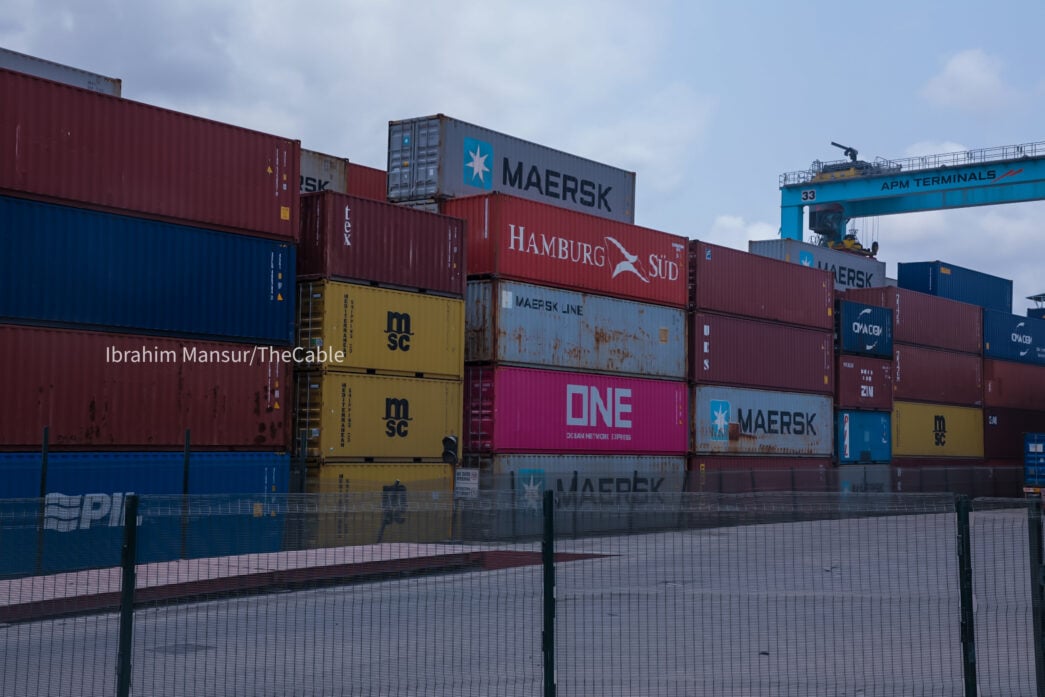
The federal government has rolled out an ambitious industrial policy aimed at reducing trade costs in Nigeria by at least 15 percent. Launched on Tuesday by the Ministry of Industry, Trade and Investment, the policy outlines measures to stimulate industrial growth, strengthen value chains, and make locally produced goods more competitive both at home and abroad.
Manufacturers have long cited high logistics expenses, multiple levies, port congestion, and foreign exchange volatility as key challenges driving up trade costs. The Manufacturers Association of Nigeria (MAN) has warned that these obstacles significantly weaken Nigeria’s export potential and inflate the prices of locally made products. The new policy aims to tackle these issues head-on through infrastructure upgrades and financial support.
Key strategies include fast-tracking inter-state road improvements, developing logistics hubs and cold-chain corridors, and modernizing ports with warehouse finance schemes and public-private partnerships. The policy also emphasizes the use of digital solutions, such as e-commerce platforms, integrated logistics systems, and mobile payments, with a goal of bringing 25,000 SMEs onto digital trade channels by 2026.
In addition to cost reduction, the federal government is targeting a 30 percent increase in export volumes by 2028. Measures to achieve this include mandatory public procurement of made-in-Nigeria goods, reducing dependency on imported raw materials, and promoting value addition in sectors like agro-processing, textiles, leather, and construction materials. Specialized training programs in international market standards, branding, and packaging will support businesses in achieving export readiness.

Micro, small, and medium enterprises (MSMEs), which account for half of Nigeria’s GDP and provide over 80 percent of employment, are central to the policy. The government plans to expand entrepreneurial training, create industrial clusters and start-up hubs, and improve service delivery through agencies like SMEDAN. By encouraging backward integration and local sourcing of raw materials, the policy seeks to transform Nigeria into a more industrialized, export-competitive, and economically self-sustaining nation.
source: the cable