Africa is set for a major boost in oil and gas investment as the newly established African Energy Bank (AEB) prepares to mobilise $10bn in funding, with Nigeria, Angola and Libya identified as the first beneficiaries. The initiative aims to revive stalled energy projects and address long-standing financing gaps that have slowed industrial growth across the continent.
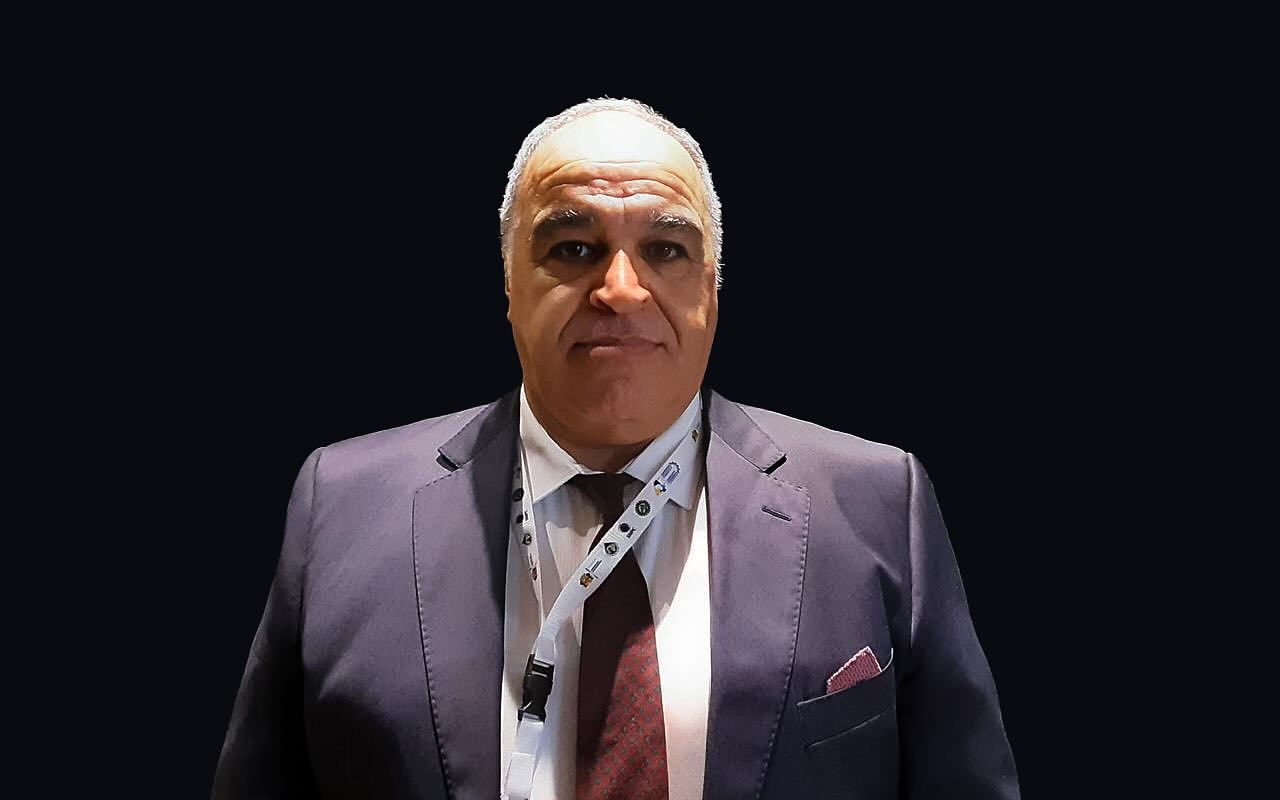
The announcement was made on Tuesday in Abuja by the Secretary-General of the African Petroleum Producers’ Organisation (APPO), Farid Ghezali, during the opening of the 9th Nigeria International Energy Summit 2026. Ghezali said the bank’s first phase will support upstream, midstream and downstream projects, providing structured financing to unlock delayed investments and strengthen regional energy self-sufficiency.
According to Ghezali, Africa continues to lose significant value by exporting about 70 per cent of its crude oil and 45 per cent of its natural gas, resulting in an estimated $15bn annual loss that could be generated locally through refining and processing. He noted that high borrowing costs of 15 to 20 per cent in Africa—compared to 4 to 6 per cent in Asia—remain a major barrier to energy development, leaving more than 150 critical projects, including pipelines and refineries, stalled.
The African Energy Bank, scheduled to launch in Abuja in the first half of 2026, is designed to tackle these challenges by pooling capital, standardising regional pricing, and linking certified projects to global capital markets. Ghezali said the platform is supported by major international oil companies such as Shell and Eni, and could generate up to 500,000 direct jobs while unlocking as much as $200bn for midstream and downstream projects by 2030.

Industry leaders at the summit welcomed the initiative, describing it as a turning point for Africa’s energy future. Anibor Kragha, Executive Secretary of the African Refiners & Distributors Association, said the bank would accelerate investments in refineries, pipelines and gas infrastructure, while supporting energy transition projects such as low-carbon fuels, green hydrogen and biofuels. He added that strengthening local refining capacity—especially in Nigeria—would boost regional trade, protect local currencies and shield African economies from global energy shocks.
source: punch