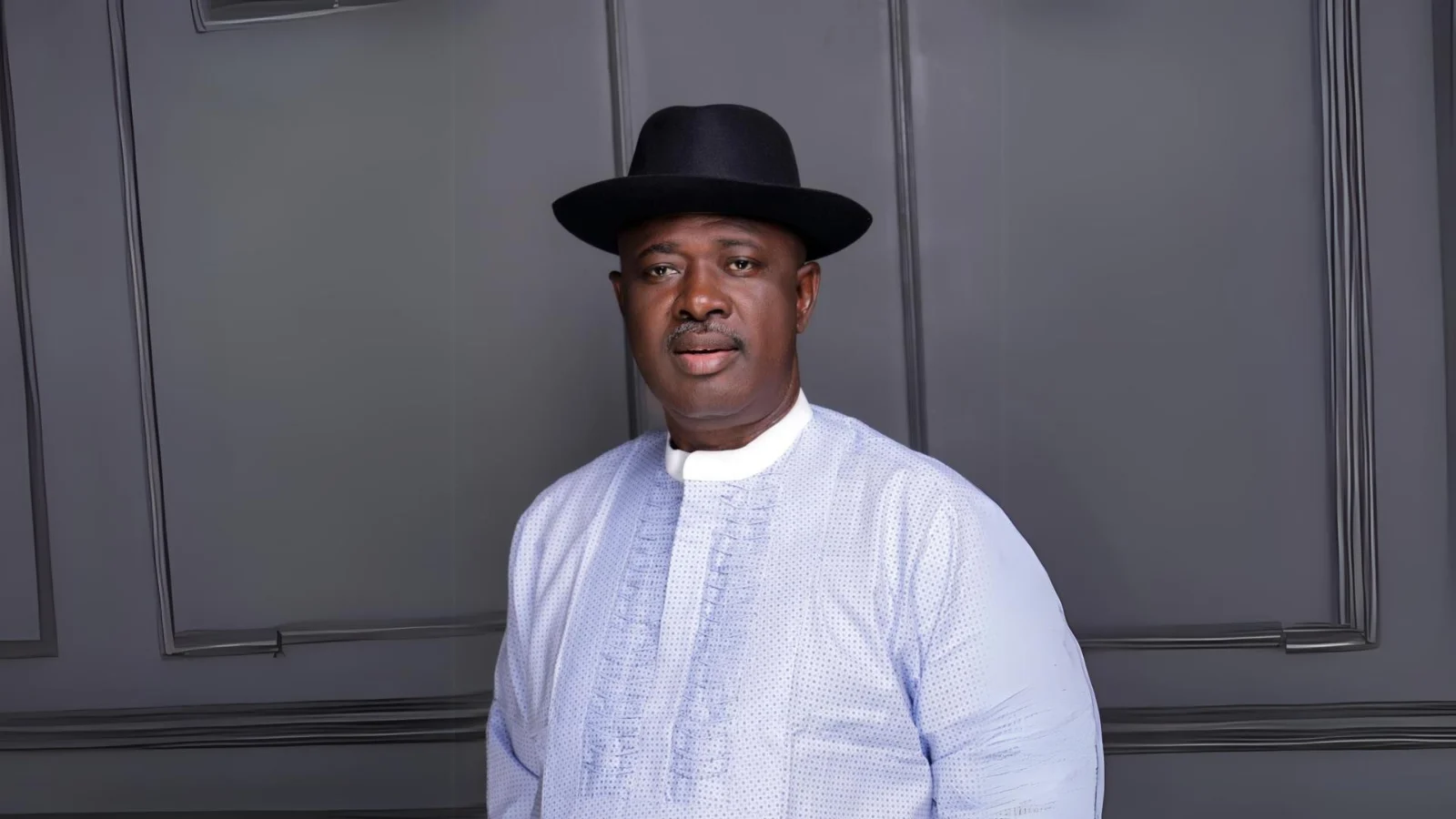
Nigeria recorded a major turnaround in its oil and gas sector in 2025, securing $18.2bn in fresh investments following the approval of 28 new field development plans with an estimated production potential of 1.4 billion barrels of crude oil. The Minister of State for Petroleum Resources (Oil), Senator Heineken Lokpobiri, disclosed this on Tuesday in Abuja at the opening of the 9th Nigeria International Energy Summit 2026.
Speaking at the summit, themed “Energy for Peace and Progress: Securing Our Shared Future,” Lokpobiri said Nigeria has re-emerged as Africa’s leading destination for oil and gas investment. He noted that between 2024 and 2025, four of the seven major Final Investment Decisions announced across the continent were taken in Nigeria, a development he described as proof of renewed investor confidence rather than political rhetoric.
According to the minister, the resurgence followed years of stagnation marked by declining output, capital flight, and stalled projects. He attributed the shift to deliberate reforms, particularly the full implementation of the Petroleum Industry Act, which introduced clearer regulations, predictable fiscal terms, and improved governance. These changes, he said, have repositioned Nigeria as “investment-ready” beyond merely having vast hydrocarbon reserves.
Lokpobiri also highlighted tangible production gains from recent initiatives, including Project One Million Barrels launched in October 2024. Within a year, crude output rose to between 1.7 million and 1.83 million barrels per day, representing about a 20 per cent increase. The number of active rigs has also jumped from 14 in 2023 to over 60, while long-delayed asset divestments by international oil companies have added roughly 200,000 barrels per day to national output.

Despite the progress, the minister acknowledged lingering challenges, particularly in the oil services sector, where policy missteps have constrained engineering and construction capacity. Stakeholders at the summit, including indigenous producers, called for reduced bureaucracy, streamlined fees, and better access to long-term capital. The consensus, however, was that Nigeria’s oil and gas industry is firmly on a recovery path, with sustained reforms and collaboration seen as key to consolidating gains and positioning the country as a regional energy hub.
source: punch