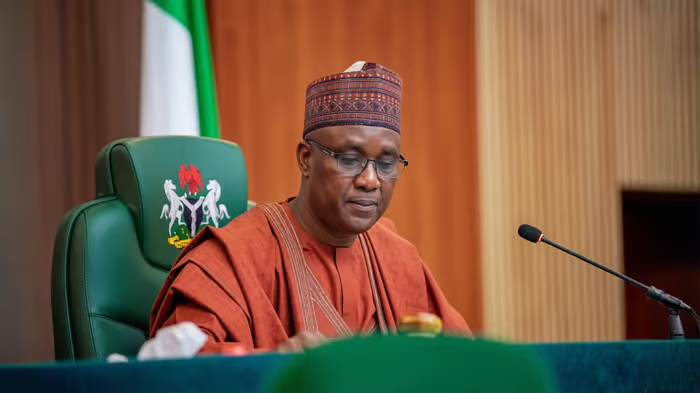
The House of Representatives has passed President Bola Tinubu’s N58.4 trillion 2026 budget through its second reading, surprising many observers by skipping a full debate on the proposal. The “Budget of Consolidation, Renewed Resilience and Shared Prosperity,” seeks authorization to withdraw funds from the Consolidated Revenue Fund for the upcoming fiscal year. Lawmakers approved the bill after a brief closed-door meeting, with only House Leader Prof. Julius Ihonvbere addressing plenary to highlight achievements in economic growth, inflation control, and rising foreign investments.
Ihonvbere emphasized that the budget aims to maintain macroeconomic stability, strengthen human capital, and manage debt without printing new naira. He described the proposal as an opportunity for the legislature to partner with the executive in building a sustainable and prosperous Nigeria. Following his remarks, the Speaker, Tajudeen Abbas, invited contributions from other members, but no further debate took place, and the motion was passed via voice vote. The bill now moves to the Appropriation Committee for detailed scrutiny over the next two weeks.
Meanwhile, the Senate has formed a seven-member ad hoc committee to harmonize amendments to the Electoral Act, reflecting the critical need for electoral reforms ahead of the 2027 general elections. Chaired by Senator Niyi Adegbonmire, the panel includes key lawmakers such as Aminu Tambuwal and Adams Oshiomhole, and has three days to complete its review. Proposed reforms include tougher penalties for vote-buying, electronic voter identification, recognition of inmates’ voting rights, and timely release of election funds—all aimed at boosting transparency and credibility.
The reforms have drawn criticism and calls for urgency from civil society. Former INEC director Oluwole Osaze-Uzzi accused the Senate of deliberately delaying the amendments, warning that reliance on the flawed 2022 Electoral Act could undermine the upcoming elections. Meanwhile, advocacy group MOT!ON called for transparency and inclusivity in the review process, urging that the reforms serve democratic interests rather than political advantage.

Controversy has also surrounded the appointment of INEC Chairman Prof. Josiah Amupitan. Muslim Rights Concern (MURIC) demanded his removal, citing alleged bias, while Christian clerics defended his appointment as constitutional and beneficial for Nigeria’s electoral integrity. The debate highlights the growing tensions over governance, election preparedness, and public confidence as Nigeria approaches a critical electoral cycle.
source: The Guardian