

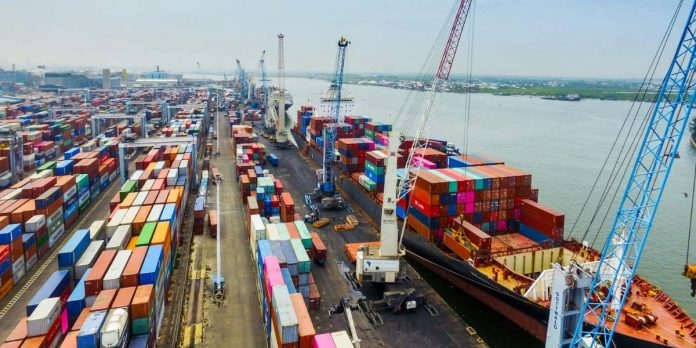
Lagos importers are breathing a sigh of relief as cargo haulage costs at Tin Can Island and Apapa seaports have plummeted by 65.7 per cent. The sharp decline, confirmed by maritime experts, comes after the introduction of the Ètò electronic call-up system, managed by Truck Transit Park Limited (TTP), which has streamlined truck movements and improved access to the ports.
Before Ètò, importers and truckers faced long delays, congestion, and multiple informal fees that drove up logistics costs. Moving a container from Apapa to Ikeja could cost N700,000, while routes to Sango, Ogun State, were as high as N800,000. Today, the same journeys cost roughly N240,000 and N330,000 respectively, highlighting the transformative impact of the new system.
Truck operators and businesses alike are seeing tangible benefits. Yusuf Liadi, a haulage operator, said the last two weeks have shown a “drastic fall” in charges. Faster truck turnaround and reduced waiting times at holding bays and marshalling yards have made deliveries more predictable, helping companies better plan their logistics and reduce overhead costs.
TTP’s managing director, Jama Onwubuariri, explained that high compliance with the Ètò platform allows trucks to move from holding bays to port gates in as little as 12 to 18 hours, compared with several days of delays under the old system. The elimination of illegal tolls and racketeering along port access roads has further driven down haulage costs and improved efficiency for all stakeholders.

The broader economic impact is already evident, with businesses passing on fewer costs to consumers and the logistics sector operating more transparently. “Ètò has brought structure, visibility, and accountability into port logistics,” Onwubuariri said. Analysts believe this data-driven approach will continue to stabilize haulage prices, making Nigerian ports more competitive in regional and international trade.
source: leadership