Asia-Pacific markets mostly slipped on Monday, reflecting investor caution after heightened geopolitical tensions and key economic data from China. The Hang Seng Index in Hong Kong fell 1.07%, while Japan’s Nikkei 225 declined 0.65% to 53,583.57, marking three consecutive losing sessions. Meanwhile, South Korea’s Kospi bucked the broader trend, climbing 1.32% thanks to a strong performance by automaker Hyundai.
The market jitters stemmed partly from escalating tensions over Greenland. Over the weekend, U.S. President Donald Trump threatened tariffs on eight European countries while pressing for control of Greenland, an autonomous territory of Denmark. European leaders responded firmly, labeling the threats “completely wrong” and “unacceptable,” adding to global uncertainty that spooked investors across the region.
Economic data from China added another layer of complexity. The country released its fourth-quarter GDP figures along with December data for retail sales, urban investment, and industrial output. The results showed modest growth, leaving investors cautious amid mixed signals about the health of China’s economy and its potential impact on global trade and supply chains.
Japan’s bond market also reflected investor unease. The benchmark 10-year Japanese Government Bond yield reached 2.279%, its highest level since 1999. Yields on 20- and 30-year bonds also surged to record highs, highlighting concerns about inflation and borrowing costs in the world’s third-largest economy. Commodities mirrored the cautious mood, with silver and gold hitting record prices, rising 3.88% and 1.72% respectively.

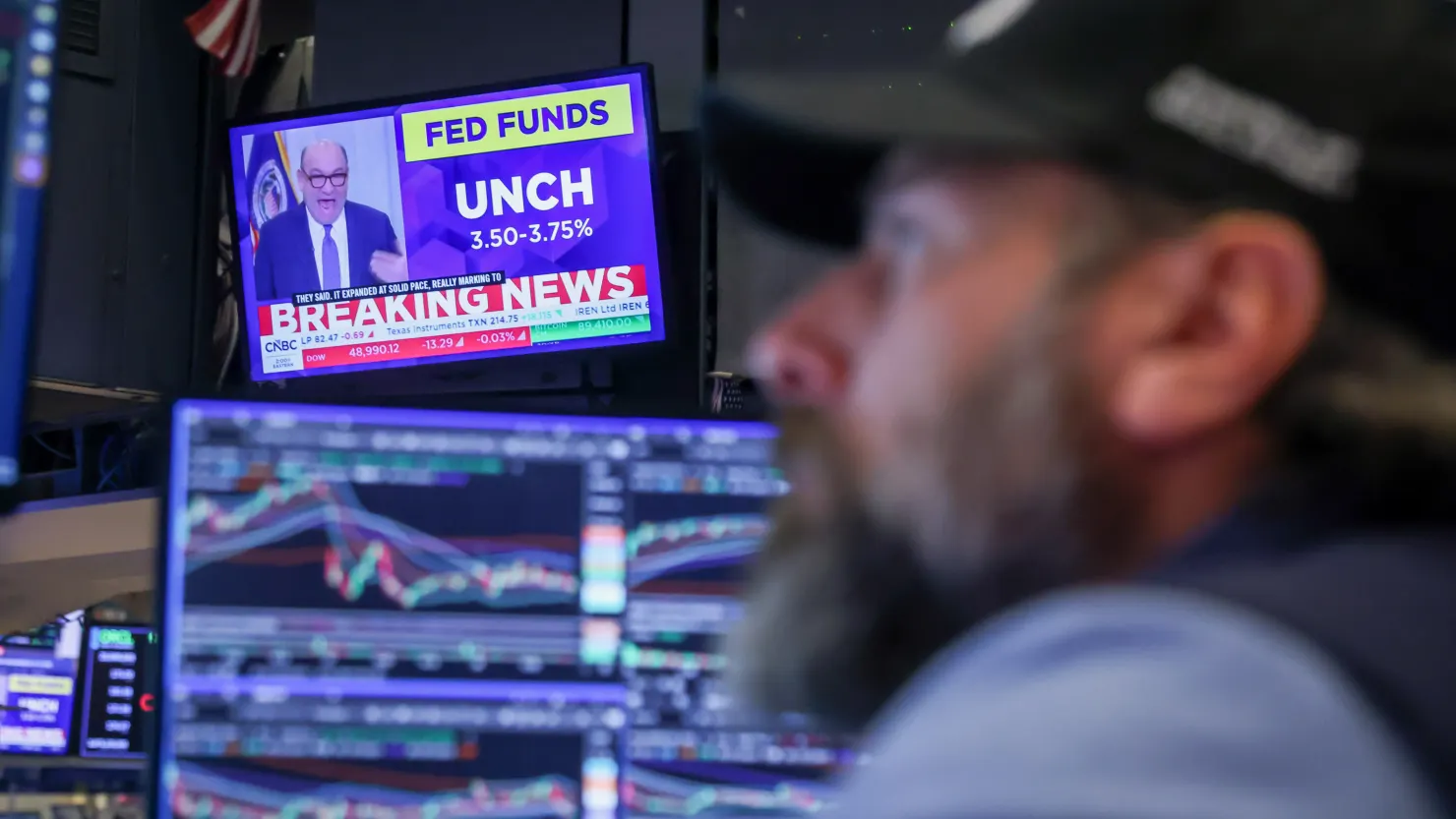
U.S. markets also weighed on sentiment, as major indexes ended slightly lower last week. Investors focused on potential changes at the Federal Reserve, with President Trump hinting that National Economic Council Director Kevin Hassett may remain in his current role rather than replacing the Fed chair. Hassett has been considered more market-friendly due to his inclination to maintain lower interest rates, and uncertainty about Fed leadership added to global market volatility.
source: cnbc