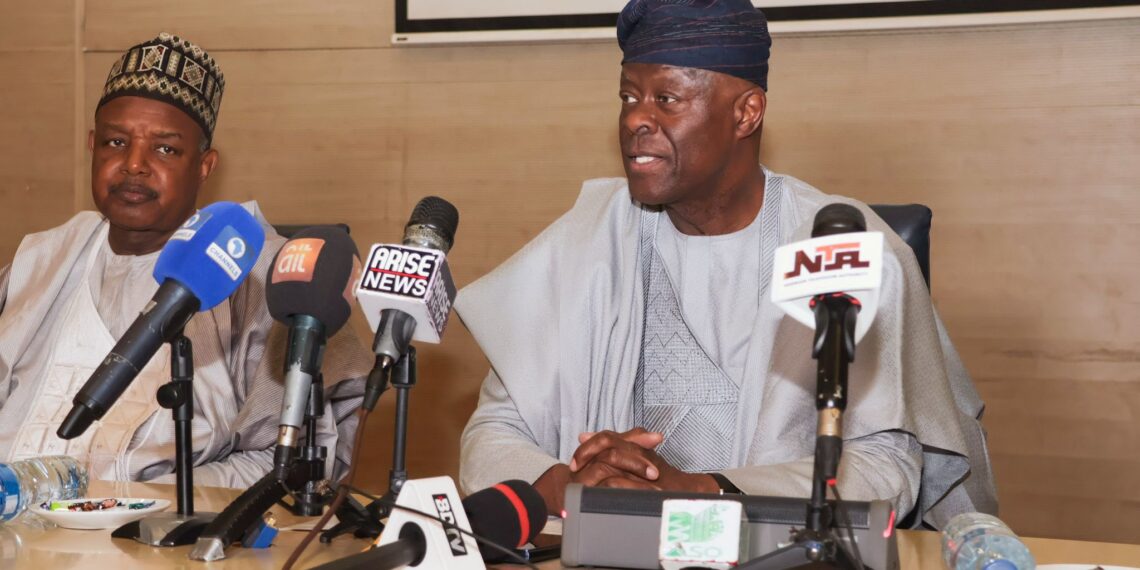
The Federal Government has clarified that Nigeria’s public debt, which now stands at N152 trillion, is largely due to improved transparency and foreign exchange adjustments rather than a surge in new borrowing. Finance Minister Wale Edun made the explanation during the launch of the Nigerian Economic Summit Group (NESG) 2026 Macroeconomic Outlook Report in Lagos, seeking to address public concerns over the rising debt figures.
According to a statement by the Minister’s Special Adviser on Communications, Dr. Ogho Okiti, about N30 trillion of the total debt represents previously unrecorded Ways and Means advances, short-term loans from the Central Bank, which have now been formally recognized in government records. Additionally, nearly N49 trillion of the increase reflects the revaluation of foreign debt due to recent foreign exchange reforms, rather than the acquisition of new external loans.
Edun emphasized that the updated debt figures do not reflect reckless borrowing but a correction of historical fiscal reporting gaps. He noted that accurate and transparent data are essential for economic planning and for restoring investor confidence, highlighting the administration’s commitment to responsible debt management and sustainable economic growth.
The Finance Minister also revealed that Nigeria achieved an 84% execution rate of its 2024 capital budget, explaining that the extension of budget implementation to March 2026 was necessary to ensure ongoing infrastructure projects are completed despite funding challenges. This move, he said, aligns with the government’s focus on prioritizing development over abandoning critical projects.

The Debt Management Office reports that Nigeria’s public debt rose from N149.39 trillion in March 2025 to N152.40 trillion by June 30, 2025. The Tinubu administration maintains that fiscal transparency, accurate reporting, and economic reforms are crucial to building investor trust, strengthening public finance management, and unlocking long-term economic growth.
source: Nairametrics