

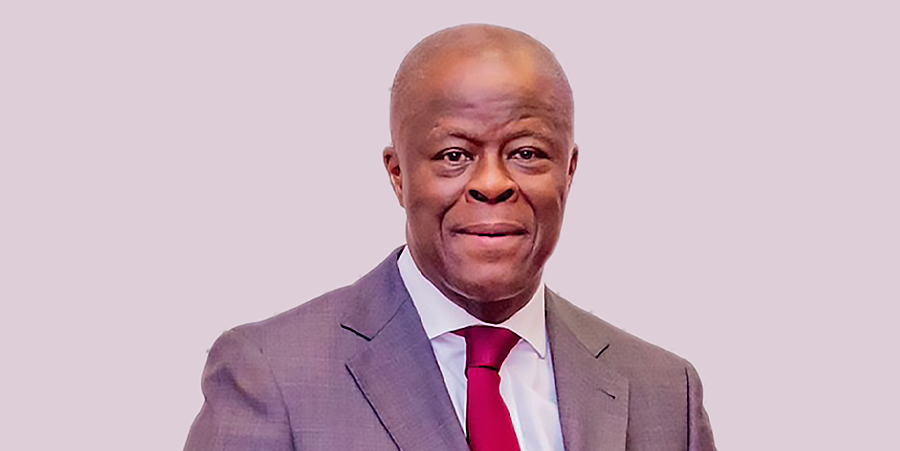
Nigeria could soon see relief for its heavily burdened public finances as Finance Minister and Coordinating Minister of the Economy, Wale Edun, hinted at potential interest rate cuts if the country’s inflation continues to moderate. Speaking at Abu Dhabi Sustainability Week, Edun said that lower borrowing costs would reduce the government’s debt-servicing obligations and create fiscal breathing room for essential spending.
Edun praised the Central Bank of Nigeria (CBN) for its “excellent” work in curbing inflation, noting that aggressive monetary tightening over the past two years played a key role in stabilizing prices. After doubling its policy rate since 2022, the CBN implemented a 50-basis point cut in September 2025, bringing the monetary policy rate to 27%, following a sharp moderation in inflation from late-2024 peaks.
The Finance Minister explained that a sustained decline in inflation would allow room for further rate reductions. Lower interest rates would reduce the proportion of government revenue spent on debt payments, easing pressure on Nigeria’s fiscal balance. In the proposed 2026 budget, over N40 trillion of the N58 trillion spending plan is allocated to interest payments, highlighting the urgent need for cost relief.
Nigeria’s fiscal outlook remains fragile, with projected revenues around N34 trillion—constrained by volatile oil receipts—and a budget deficit estimated at N24 trillion, or 4.3% of GDP. Edun stressed that the government’s borrowing strategy would remain flexible, guided by market conditions, investor appetite, and adherence to debt limits. Alongside potential rate cuts, structural reforms and improved revenue collection aim to reduce reliance on borrowing.

To further strengthen public finances, the government is pushing ministries and agencies to adopt fully automated payment systems to curb leakages. Additional revenue is expected from privatisation proceeds, divestments by the Nigerian National Petroleum Company (NNPC), and increased crude oil production, all aimed at supporting budget funding while maintaining fiscal stability.
source: nairametrics