Motional, the autonomous vehicle company born from a $4 billion joint venture between Hyundai Motor Group and Aptiv, is rebooting its robotaxi plans with a bold AI-first strategy. After missing earlier deadlines and facing financial challenges—including the departure of Aptiv and a 40% workforce reduction in 2024—the company is now targeting a commercial driverless service in Las Vegas by the end of 2026. Employees are already testing a pilot robotaxi service, still with human safety operators, with a full public launch planned alongside a ride-hailing partner later this year.
The shift to an AI-centered approach represents a major evolution for Motional. Previously, the company relied on multiple smaller machine learning models for perception, tracking, and decision-making, alongside rules-based software. Now, Motional is consolidating these into a single, large AI backbone model, enabling safer, more scalable autonomous driving. CEO Laura Major emphasized that pausing their initial plans was necessary to ensure the system could eventually generalize to new cities and operate cost-effectively.
Motional’s approach reflects broader trends in AI, particularly the adaptation of transformer-based architectures originally developed for language models like ChatGPT. These advancements allow the company to build complex, adaptable systems capable of learning from limited data. By maintaining some of the smaller, modular models for developer use, Motional hopes to retain flexibility while achieving a unified, efficient self-driving system.
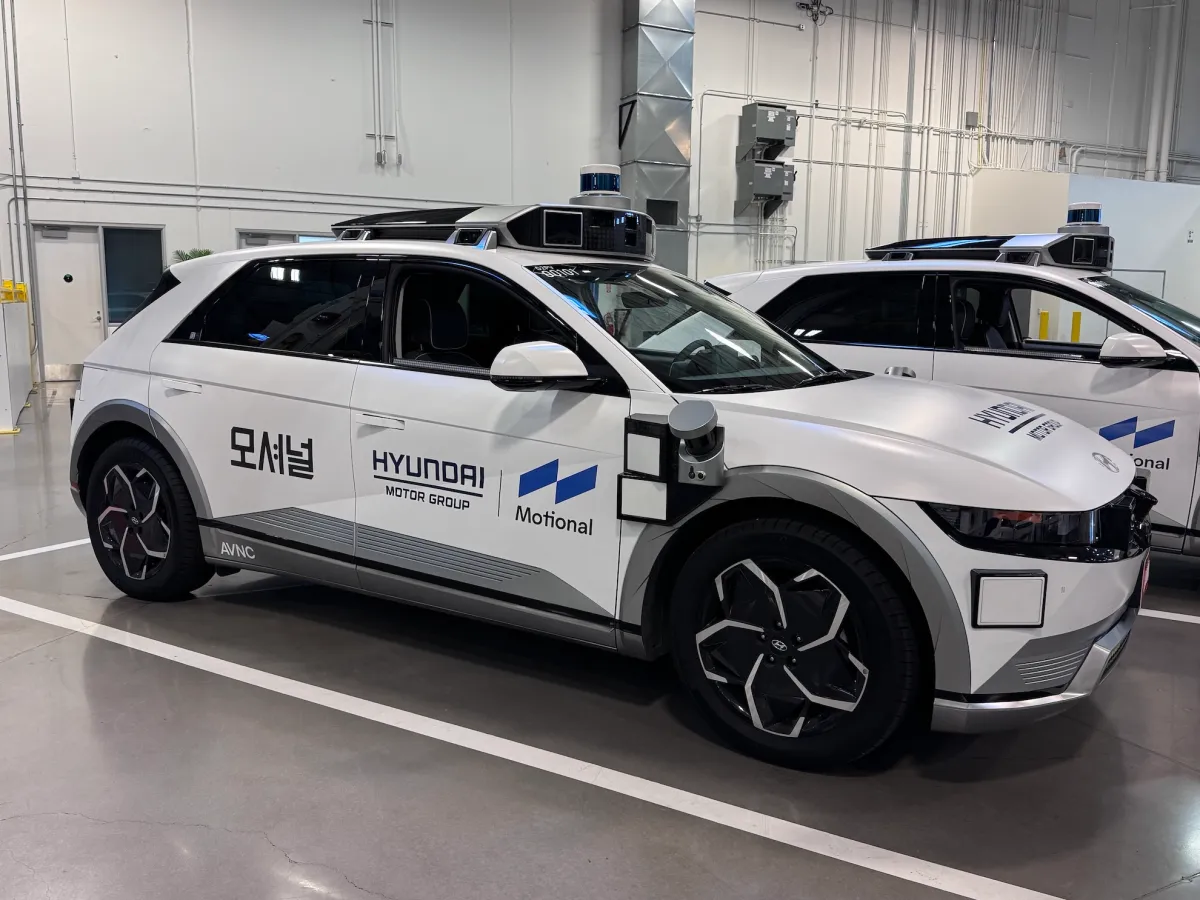
A firsthand demonstration in Las Vegas highlighted the progress Motional has made. The Hyundai Ioniq 5 autonomously navigated crowded streets, hotel drop-off zones, and complex parking areas—tasks previously handled manually by human safety operators. While some fine-tuning remains, particularly with in-car graphics and obstacle negotiation, the vehicle’s cautious and precise operation signals that Motional is moving closer to safe, full autonomy.

Looking ahead, Motional sees robotaxis as just the first step toward a larger vision of Level 4 autonomous vehicles integrated into consumer cars. With Hyundai’s continued backing, the company is betting on AI to transform both public and personal transportation. As Major notes, “Robotaxis are stop number one, but the ultimate goal is to bring fully autonomous systems to people’s everyday vehicles, safely and affordably.”
source: techcrunch