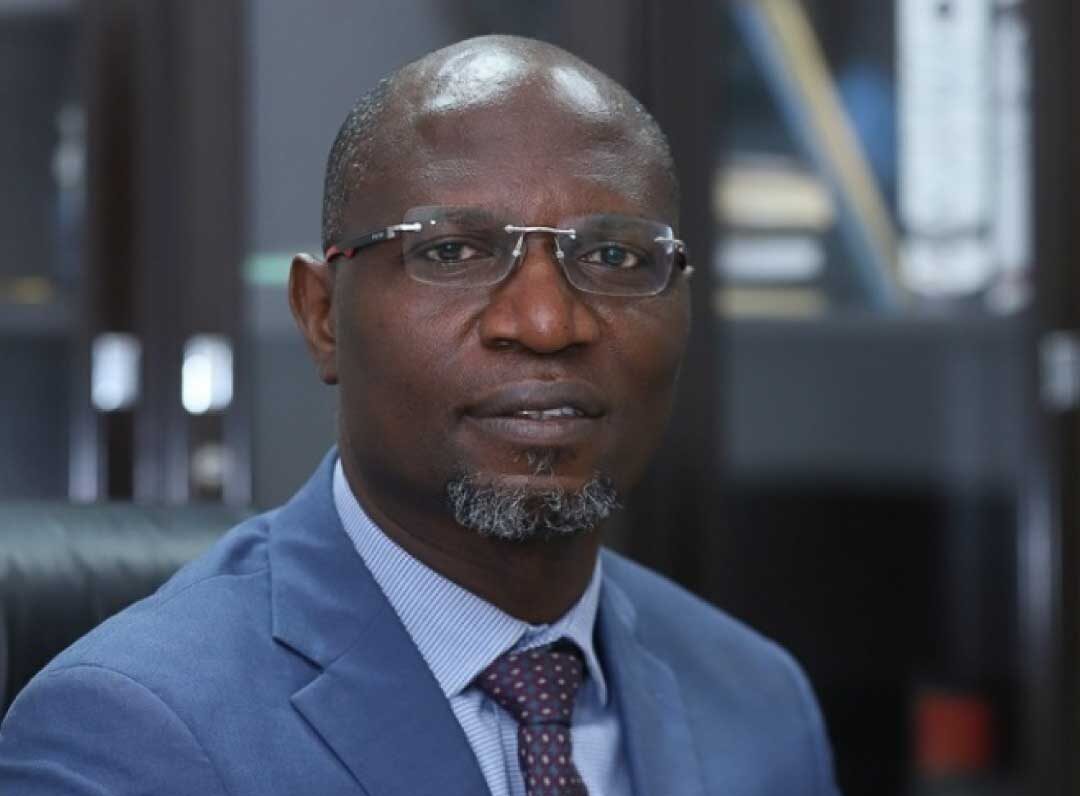
The Federal Ministry of Finance and the Ministry of Budget and Economic Planning have earmarked a combined N209.9 billion for computer software, research, and other non-tangible assets in the 2026 budget, currently under review by the National Assembly. The move, spearheaded by Coordinating Minister Wale Edun, highlights the government’s push toward digital infrastructure and research-driven initiatives.
Details from the budget show that the Ministry of Finance plans to spend N198.9 billion primarily on software acquisition and research and development, while the Ministry of Budget and Economic Planning has proposed N11 billion for similar initiatives. These investments aim to boost technological capacity and support economic planning, although specific project details remain sparse.
In addition, the budget allocates N12.6 billion for the construction of automated warehouses across Nigeria’s six geopolitical zones, with each facility costing around N2.1 billion. However, the plan does not disclose locations, timelines, or the exact functions of these warehouses, leaving questions about how they will improve the country’s logistics and economic infrastructure.
The budget also sheds light on other priorities, including N39 million for anti-corruption initiatives and N300 billion for special interventions and constituency projects under service-wide votes. Meanwhile, federal spending on top government officials’ travel, including N12.2 billion for the Presidency and State House, appears to overshadow allocations for critical sectors like health. With the health budget set at N2.48 trillion, this translates to roughly N10,400 per citizen annually, highlighting the gap between leadership expenses and public healthcare needs.

As the National Assembly deliberates on the 2026 Appropriation Bill, lawmakers face critical decisions about fiscal priorities. The allocations for software, research, and warehouses indicate an emphasis on innovation and infrastructure, but balancing these with essential services like healthcare will be crucial for public trust and economic growth.
source: Leadership