

Nigeria, alongside other African nations, has been urged to tackle persistent digital divides and ensure affordable internet access, as highlighted during the World Summit on the Information Society (WSIS+20) review. Despite global connectivity reaching 68% of the world’s population, approximately 2.6 billion people remain offline, with most concentrated in developing regions like sub-Saharan Africa. Experts warn that this gap limits countries’ ability to fully participate in the digital economy.
For Nigeria, addressing digital exclusion involves more than building internet infrastructure. Experts pointed to affordability challenges, limited digital skills, gender disparities, and restricted access to emerging technologies such as artificial intelligence. These gaps, if left unaddressed, could hinder the nation’s progress toward Sustainable Development Goals (SDGs) and its ability to leverage digital transformation for economic growth.
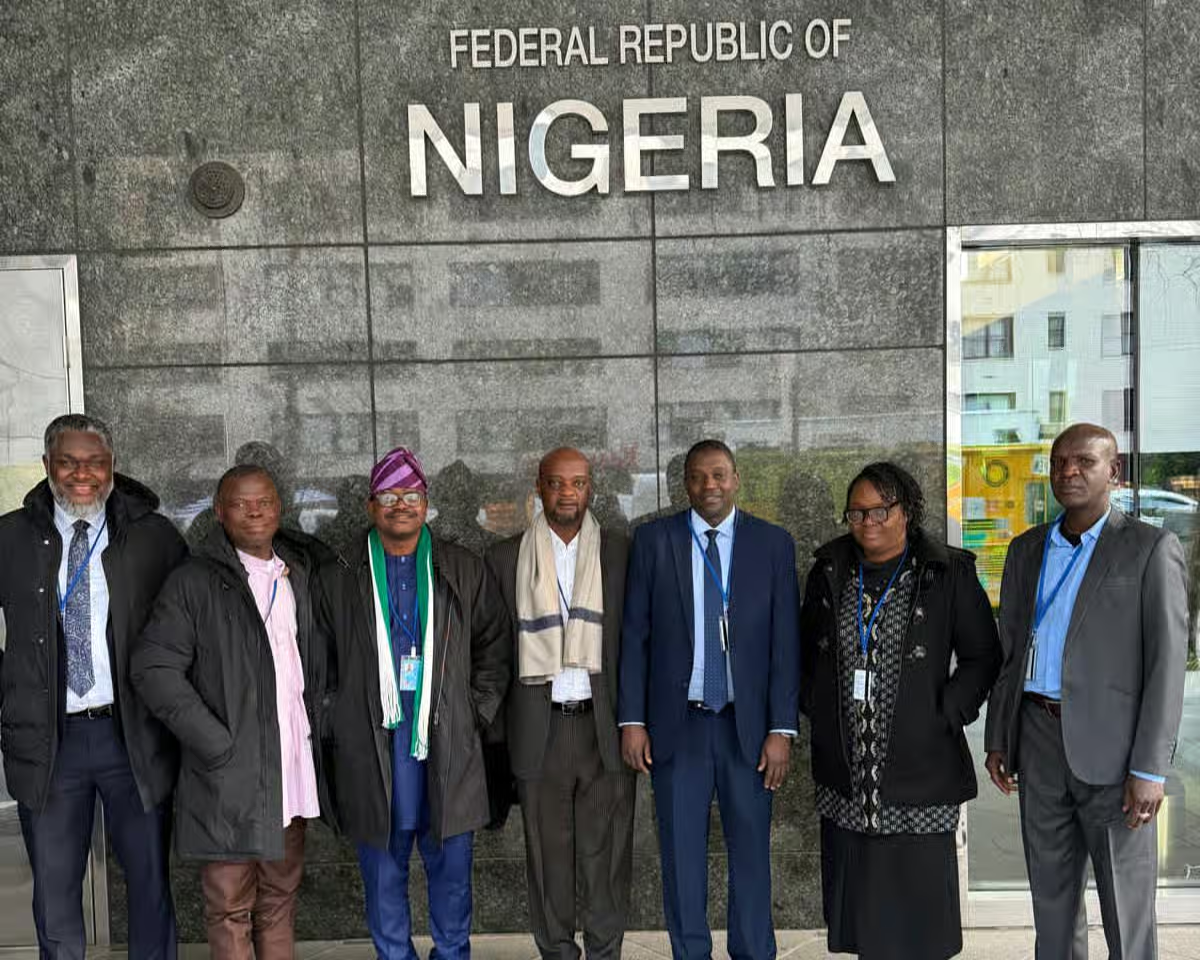
The concerns were voiced during a WSIS+20 side event hosted by Nigeria at the United Nations Headquarters in New York. The event, themed “Re-imagining Digital Cooperation for Sustainable Development: from WSIS+20 Vision to Local Action,” featured experts including leaders from Nigeria’s Data Protection Commission (NDPC), NITDA, NIMC, and Women in Technology in Nigeria (WITIN). Speakers emphasized the need for global collaboration and inclusive policies to ensure no one is left behind in the digital era.
Speakers stressed that achieving meaningful digital transformation requires multi-stakeholder governance, public-private partnerships, and targeted initiatives for underserved communities, including women and girls. NDPC’s Dr. Vincent Olatunji highlighted that 36 African countries now have data protection laws, while 16 countries, including Nigeria, have developed AI strategies to ensure safe, inclusive digital growth. WITIN Executive Director, Martha Alade, called for capacity building and technical engagement to turn participation into real influence in policymaking.
Experts concluded that bridging the digital divide in Africa requires tackling affordability and digital literacy alongside infrastructure development. NITDA representatives and other stakeholders stressed the importance of public-private partnerships to scale access and ensure that digital transformation reaches every citizen—from farmers and artisans to students—promoting a truly inclusive digital economy across Nigeria and the continent.
source: The Guardian