Apple’s executive shake-up is showing no signs of slowing down. Following the recent departures of AI chief John Giannandrea and design executive Alan Dye, the iPhone maker has now announced the retirements of two more top executives. Kate Adams, who has served as Apple’s general counsel since 2017, is set to retire late next year, while Lisa Jackson, Apple’s vice president for Environment, Policy, and Social Initiatives, will step down in late January 2026.
Stepping into the role of general counsel will be Jennifer Newstead, who joins Apple from Meta, where she was chief legal officer. Newstead’s extensive background includes serving as legal adviser at the U.S. Department of State and holding key roles at the Department of Justice and the White House, including clerkship for Supreme Court Justice Stephen Breyer. She will officially take over from Adams on March 1, 2026, reporting directly to CEO Tim Cook.
Cook expressed excitement about Newstead’s appointment, highlighting her “extraordinary depth of experience and skill” to guide Apple’s legal and government affairs worldwide. During Adams’ tenure, Apple navigated increased antitrust scrutiny and legal challenges related to competition in the app market, marking a period of heightened regulatory attention.
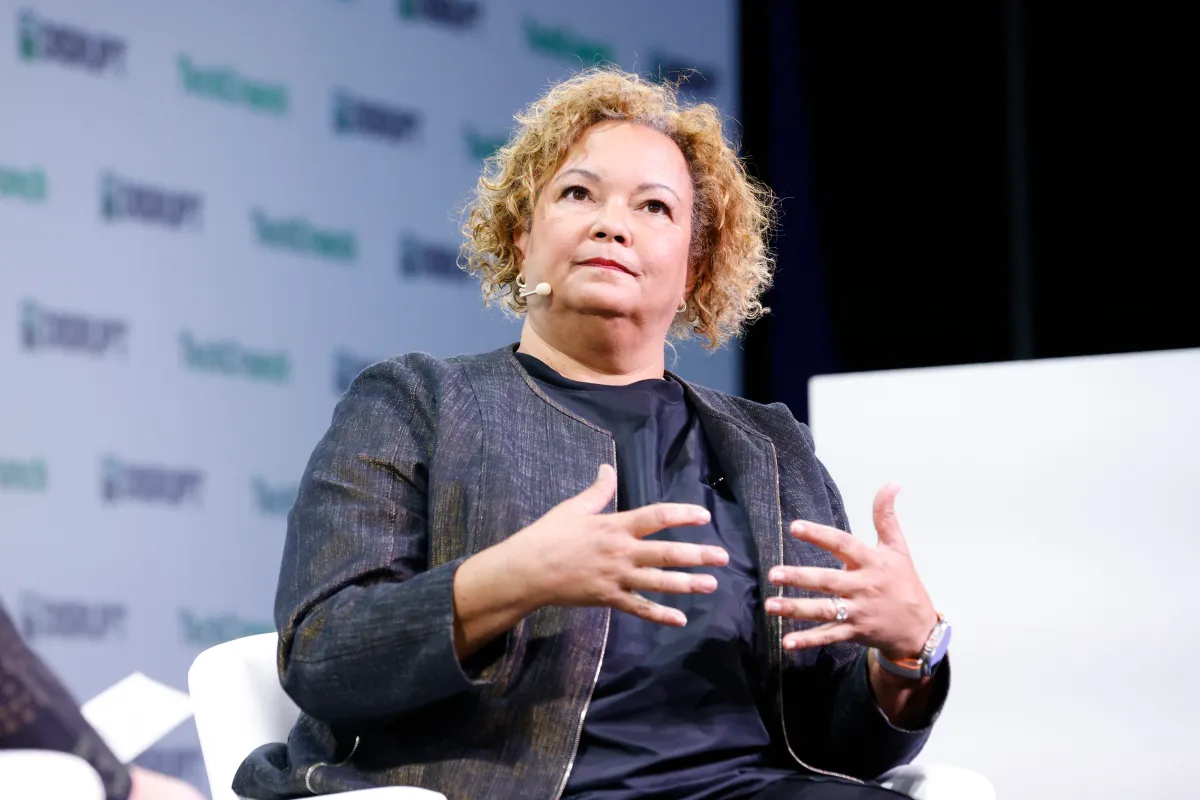
Lisa Jackson, meanwhile, has been a driving force behind Apple’s environmental and social initiatives since joining the company in 2013. Under her leadership, Apple significantly reduced global greenhouse gas emissions and advanced sustainability and diversity efforts, including the Racial Equity and Justice Initiative. Cook praised Jackson’s impact, noting her role in shaping Apple’s values and global influence.

These executive changes come amid broader leadership shifts at Apple, including the recent exit of COO Jeff Williams, the departure of AI leaders Ke Yang and Ruoming Pang to Meta, and delays in the company’s AI-powered Siri rollout. Analysts suggest these moves reflect ongoing challenges as Apple tries to maintain innovation leadership while addressing organizational and strategic gaps in AI and design.
source: Techcrunch