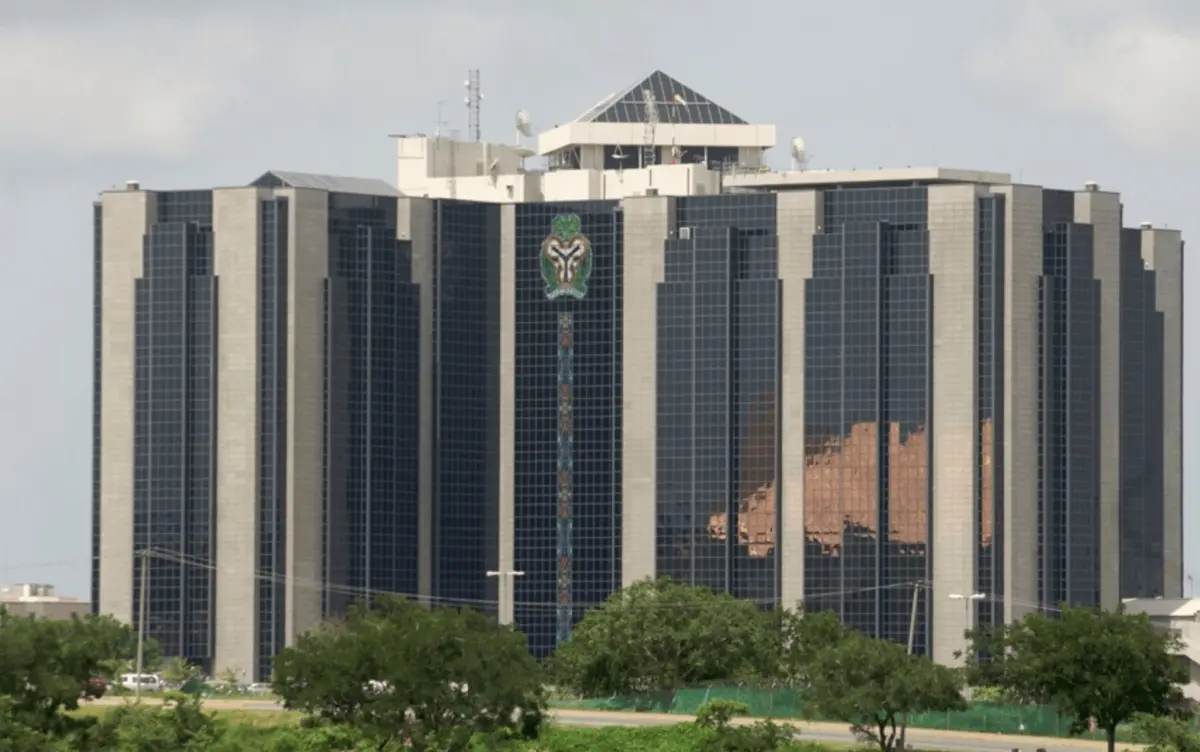
The Central Bank of Nigeria (CBN) has taken a strategic step to encourage banks to redirect funds toward productive sectors of the economy. At its 303rd Monetary Policy Committee (MPC) meeting on November 25, 2025, the CBN retained the Monetary Policy Rate (MPR) at 27 percent but adjusted the standing facility corridor to +50/-450 basis points. This move is designed to discourage idle liquidity and incentivize banks to engage more actively in lending for manufacturing, agriculture, services, and SMEs.
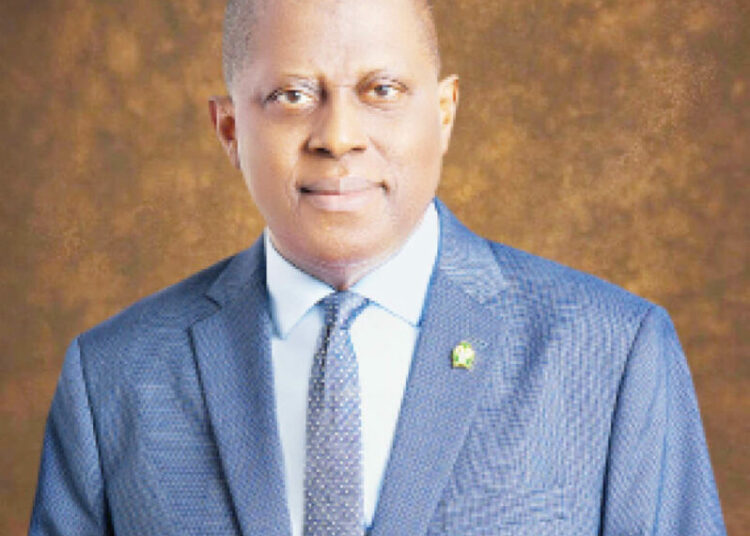
Rather than altering headline rates, the MPC focused on structural changes aimed at reshaping banking behavior. By widening the corridor around the MPR, banks earn less from keeping funds idle in the Standing Deposit Facility, pushing them to circulate liquidity more efficiently. Governor Olayemi Cardoso described the decision as part of broader reforms that stabilize foreign exchange markets, boost investor confidence, and create a more disciplined financial system.
The corridor adjustment compels banks to extend credit rather than rely on risk-free placements, directly benefiting the real economy. Improved liquidity circulation strengthens interbank markets, aligns money market rates with policy intentions, and supports sustainable GDP growth. SMEs and other productive enterprises stand to gain as credit becomes more accessible, enabling business expansion, job creation, and higher output.
This policy shift also reinforces the CBN’s efforts to control inflation, which slowed to 16.05 percent in October 2025. By tightening short-term money markets and reducing idle liquidity, inflationary pressures are moderated without stifling legitimate credit expansion. The stability of the naira, driven by transparent FX reforms and rising foreign reserves, creates an environment that attracts both domestic and foreign investors.

The MPC’s corridor adjustment represents a deliberate evolution in Nigeria’s monetary policy framework. By linking banking incentives to productive lending, the CBN ensures that liquidity fuels economic activity rather than sitting idle. Coupled with ongoing bank recapitalization and close fiscal-monetary coordination, this initiative positions Nigeria for sustained growth, financial stability, and a more resilient economy.
source: leadership