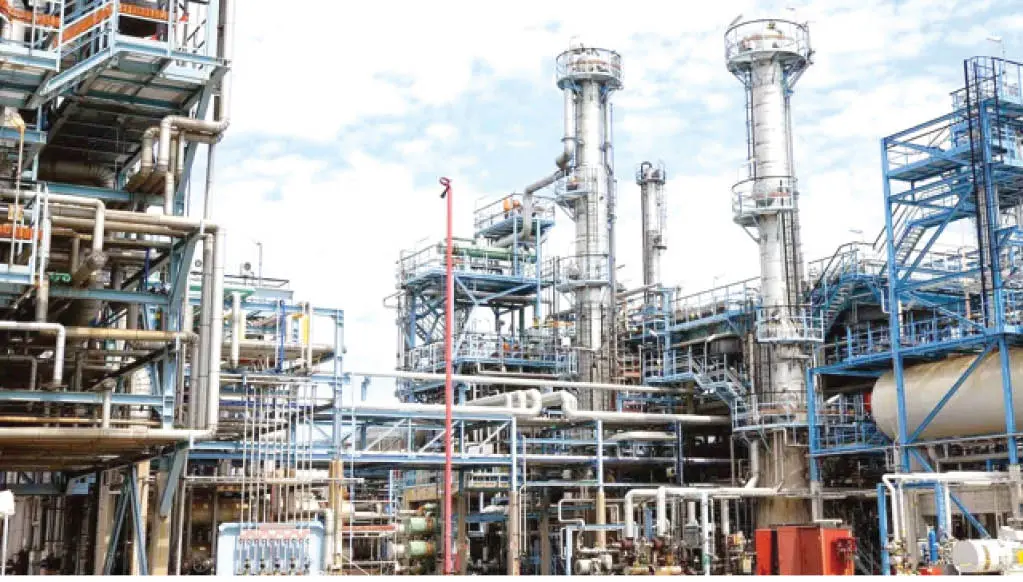
As the Nigerian National Petroleum Company Limited (NNPCL) weighs the future of the country’s refineries, energy experts are urging the government to consider selling the facilities rather than continuing costly rehabilitation. Between 2015 and 2022, the federal government spent $3.7 billion revamping the Port Harcourt, Warri, and Kaduna refineries, yet most projects remained incomplete. The Port Harcourt refinery, which resumed operations in December 2024, stopped production by May 2025.
Since assuming office, NNPCL Group CEO Bashir Bayo Ojulari has highlighted the challenges of modernizing Nigeria’s aging refineries. Speaking at the 9th OPEC International Seminar in Vienna, he noted that imported technologies were often misaligned with the outdated facilities, complicating rehabilitation efforts. Ojulari has proposed exploring partnerships with private companies that already operate refineries to bring in technical expertise and ensure operations are commercially viable and internationally competitive.
Despite delays in production, NNPCL significantly increased its investment in the three refineries in 2024, spending a total of N2.92 trillion—up from N1.72 trillion in 2023. Port Harcourt saw a 69.6% increase to N1.143 trillion, Kaduna rose to N1.088 trillion, and Warri reached N683 billion. Analysts argue that continued investment under the current management model may not yield the desired outcomes, as the refineries struggle to meet international petroleum standards.
Oil and gas governance expert Henry Adigun argues that the refineries’ value is depreciating and that continued state ownership is unsustainable. “These assets cannot function optimally under the current ownership structure. Selling them would free the assets from functional obsolescence,” he said. Similarly, petroleum economics professor Wumi Iledare emphasized that transferring majority control to competent private operators could restore refinery output faster while mitigating operational and financial risks.

Both experts stress that selling or partially privatizing the refineries does not compromise national interest. With proper valuation, transparent bidding, and strong local content rules, Nigeria can maintain strategic oversight while unlocking private capital and expertise. The consensus among industry watchers is clear: clinging to full government ownership has proven costly, and a commercial approach could ensure sustainable operations, boost investor confidence, and modernize the country’s oil sector.
source: Dailytrust