Nigeria’s push to rebuild fiscal fairness is reshaping how businesses, investors and everyday citizens experience taxation. After decades of oil-dependence, fragmented tax structures and inconsistent incentives, the government has embarked on some of the most sweeping reforms in recent history—touching Value Added Tax (VAT), Free Trade Zone exemptions and Capital Gains Tax (CGT). For many operators like logistics entrepreneur Adaeze Okonkwo, the reforms initially felt like an existential threat. But as the new framework unfolds, a national conversation has emerged: can Nigeria fix its tax system without crippling the fragile economy it seeks to protect?
For years, Nigeria’s tax regime was wide but shallow—filled with multiple levies, overlapping agencies and weak compliance. The Presidential Committee on Fiscal Policy and Tax Reforms, led by fiscal expert Taiwo Oyedele, was tasked with diagnosing the chaos and reconstructing it from the ground up. Their mission focused on simplifying the tax code, reducing leakages, unifying collection points and restoring public trust. One major step was the introduction of a single digital VAT engine on TaxPro Max, which improved compliance without increasing tax rates.
The reforms also spotlighted long-abused Free Trade Zone incentives. While Free Zones were meant to drive export-led growth, they became fertile ground for diversion and revenue losses. The government’s new approach now protects incentives for genuine exporters—like Adaeze’s firm, which earns over 75% of its revenue from exports—while gradually re-integrating domestic-facing operators into the tax net. Analysts argue that incentives must reward productivity, not entitlement, and the revised policy presents a more balanced path forward.
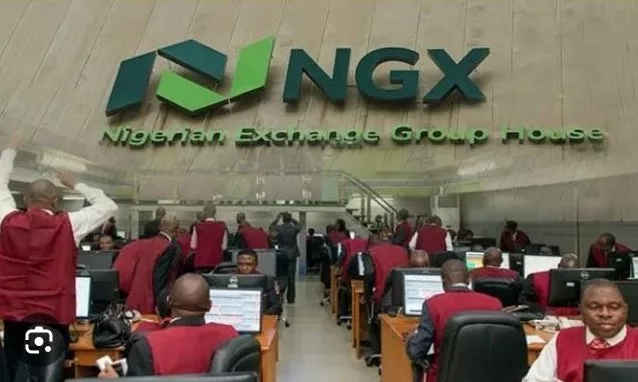
Perhaps the most contentious reform is the modernisation of Capital Gains Tax. Once riddled with loopholes, CGT is now being revamped with digital asset registries, automated securities collection and fair thresholds to protect low-income investors. While concerns about capital flight caused panic in the markets earlier this month—wiping out trillions in value—experts insist that misinformation, not policy fundamentals, triggered the sell-off. The committee argues that a fairer CGT structure strengthens, rather than undermines, long-term market confidence.

Beyond the technical changes, the biggest challenge remains psychological: rebuilding trust. Many Nigerians still ask what government has done with past taxes, and whether reforms will translate into visible improvements. Transparency initiatives—such as public reporting by FIRS, digital tracking of tax obligations and participatory budgeting—aim to close this gap. For business owners like Adaeze, who now files VAT digitally and retains her Free Zone incentives, the reforms signal a slow but promising shift. As she puts it, “I still worry, but maybe this time, we’re building something that will last.”
source: Tribune