The European Union has unveiled a €30 million cultural empowerment initiative aimed at boosting Nigeria’s creative sector and strengthening Africa–Europe collaboration. The project, known as the Africa–Europe Partnerships for Culture (AEPC) Nigeria Cluster, was launched in Lagos with a clear mission: to empower artists, support cultural organisations, and unlock global opportunities for Nigerian creatives. Implemented by the Goethe-Institut, the initiative is designed to expand creative networks across Sub-Saharan Africa and Europe.
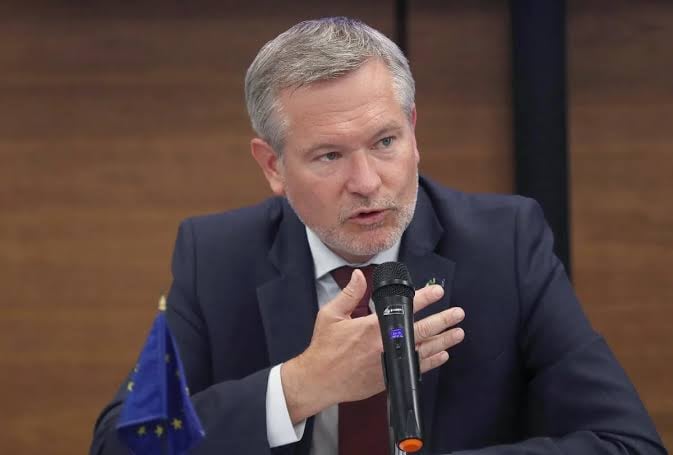
Speaking at the launch, EU Ambassador to Nigeria and ECOWAS, Gautier Mignot, described culture as a vital tool for sustainable development, social cohesion, and economic growth. He noted that creativity is not just an industry but a bridge that deepens mutual understanding and fosters innovation between continents. According to him, the AEPC embodies the EU’s commitment to ensuring African voices and creative stories reach global platforms.
Ambassador Mignot also highlighted other EU-funded cultural initiatives reinforcing Africa–Europe ties, including a €20 million programme to strengthen museum partnerships and the upcoming €15 million Creative Africa project targeting collaboration between audiovisual industries. He added that the EU continues to support cultural policy development in Nigeria and contributes to smaller creative events such as the Festival of Illustrators and the Eastern Nigeria Film Festival.
Director of the Goethe-Institut Nigeria, Nadine Siegert, emphasized that Nigeria’s creative industry is one of the most dynamic in the world and deserves the infrastructure and support needed to grow sustainably. She explained that the AEPC project focuses on collaboration, capacity building, and visibility—ensuring that opportunities are accessible to all artists, regardless of background. Through digital platforms, creative hubs, and dedicated funding, the programme aims to bridge existing resource gaps in the industry.

The initiative will promote cultural cooperation across more than 15 West African countries and the EU, with ambitious targets for lasting impact. It aims to train 250 cultural professionals, support 450 artists, connect 48 festivals, and strengthen cultural relations across the region. With the EU’s renewed commitment to expanding access, building talent, and elevating African voices globally, stakeholders say the project could become a major driver of economic and social transformation in Nigeria’s creative sector.
source: punch